


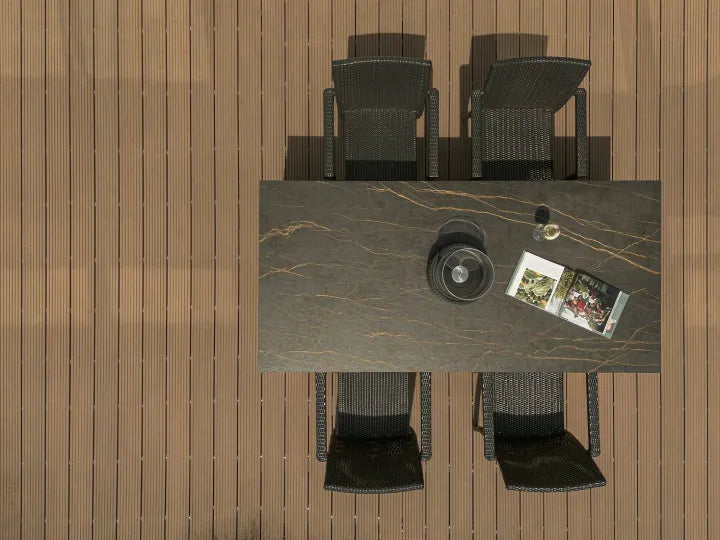


If you are tired of grout lines that trap mold, tiles that crack under pressure, and maintenance bills that never stop, tile alternatives offer a smarter way forward. The right surface material can reduce re-grouting, resist stains without sealing, and create seamless visuals that traditional tile simply cannot match.
This guide compares seven practical tile alternatives for floors, walls, countertops, bathrooms, and outdoor applications. You will find performance data, cost comparisons, application recommendations, and B2B sourcing tips for project buyers, distributors, contractors, designers, and fabricators.
The best tile alternatives are sintered stone, large-format porcelain panels, natural stone, solid surface, vinyl, waterproof wall panels, concrete or microcement, and engineered quartz. The right choice depends on whether the surface is used for floors, shower walls, countertops, or outdoor cladding.
Quick Answer: Which Tile Alternative Fits Your Project?
If you are comparing tile alternatives, start with the application first. A shower wall, kitchen countertop, commercial floor, and outdoor facade do not need the same material. Use this quick table to narrow down the most practical options before reading the full comparison.
| Application | Best Tile Alternatives | Why It Works |
|---|---|---|
| Shower walls | Sintered stone, large-format porcelain, waterproof panels | Fewer grout lines, better moisture control, easier cleaning |
| Bathroom walls | Sintered stone, porcelain panels, microcement | Modern visual continuity with fewer joints than traditional tile |
| Kitchen countertops | Sintered stone, granite, engineered quartz | Better daily-use performance than tile countertops and no grout lines |
| Floors | Sintered stone, porcelain, natural stone, vinyl | Choice depends on traffic, budget, slip resistance, and maintenance needs |
| Outdoor facades | Sintered stone, selected natural stone, exterior-grade porcelain | Needs UV stability, weather resistance, and reliable fixing systems |
| Budget renovation | Vinyl, laminate, waterproof wall panels | Lower upfront cost and faster installation for short-term projects |
Key Takeaways
- Sintered stone delivers the strongest all-around performance among tile alternatives, with near-zero water absorption, excellent heat resistance, and high scratch resistance.
- Traditional tile’s main weaknesses are grout maintenance, visual fragmentation, and limited performance in demanding applications.
- For B2B buyers, sintered stone can offer a competitive 10-year total cost of ownership because it requires no sealing and minimal maintenance.
- Budget options such as vinyl, laminate, and waterproof panels can reduce upfront cost, but replacement and durability should be considered.
- The best tile alternative depends on application. A shower wall, commercial floor, countertop, and outdoor facade do not require the same material.
Why Look Beyond Traditional Tile?
Traditional ceramic and porcelain tile has served the construction industry for decades. It is familiar, widely available, and practical for many standard applications. But for modern projects such as seamless bathrooms, large-format feature walls, premium countertops, hotel lobbies, and exterior facades, tile has limitations that become difficult to ignore.
Three problems usually drive architects, contractors, and buyers toward tile alternatives:
- Grout maintenance: grout lines can trap moisture, discolor, and require cleaning or replacement over time.
- Visual fragmentation: small-format tile creates grid lines that interrupt continuous stone, concrete, or wood-look designs.
- Performance limits: tile can crack, absorb moisture depending on type, and show wear or fading in demanding conditions.

The Grout Maintenance Problem
Grout is often the weakest part of a tile system. In bathrooms, kitchens, hotels, and commercial washrooms, grout lines absorb dirt and moisture more easily than the tile surface itself. Over time, they can become stained, moldy, or damaged. Even when the tile is still usable, the grout may make the entire installation look old.
For homeowners, this is a cleaning headache. For hotels, restaurants, retail spaces, and commercial projects, it becomes a recurring maintenance cost. The larger the tiled area, the more grout lines need to be maintained. This is one of the reasons large-format slab materials have become more popular in modern specifications.
Design Limitations
Traditional tile creates repeated joints. Even when the tile surface is beautiful, the grid pattern breaks up the visual flow. This is especially noticeable on feature walls, shower walls, countertops, and large commercial interiors where designers often want a continuous stone or concrete effect.
Large-format materials such as sintered stone slabs can reduce seams dramatically and create a cleaner architectural look.
Performance Ceiling
Tile can perform well indoors, but demanding applications expose its limits. Dropped objects may crack tile. Grout can absorb moisture. Outdoor exposure can create challenges depending on product type, glaze, freeze-thaw conditions, and installation quality.
For this reason, many project buyers now compare tile with stronger alternatives such as sintered stone, large-format porcelain panels, natural stone, solid surface, and microcement before making a final specification.
Compare sintered stone with quartz, porcelain, marble, and other surface materials before choosing sizes, thicknesses, finishes, and installation methods.
7 Tile Alternatives Compared

1. Sintered Stone — The Premium All-Surface Alternative
Sintered stone is one of the most advanced modern alternatives to tile. It is made from natural minerals that are pressed under high pressure and fired at extremely high temperatures. The result is a dense, durable slab surface with excellent resistance to water, heat, scratches, UV exposure, and daily wear.
Compared with traditional tile, sintered stone offers a much cleaner visual result because it is available in large slab sizes such as 1200×2400mm, 1200×2600mm, and 1600×3200mm. These formats allow designers to reduce joints on shower walls, feature walls, countertops, kitchen islands, and commercial interiors.
Sintered stone is especially suitable for projects that need both aesthetics and performance. It can be used for sintered stone countertops, bathroom walls, interior feature walls, commercial flooring, furniture surfaces, and outdoor facades.
It is also a strong option for buyers comparing sintered stone vs quartz, because sintered stone does not rely on resin binders and is more suitable for high-heat and outdoor applications.
Best for: countertops, shower walls, bathroom walls, feature walls, commercial floors, outdoor facades, furniture tops, and premium B2B projects.
Limitations: higher initial cost than budget alternatives and requires professional cutting, handling, and installation.
- Choose this if: you want fewer seams, low maintenance, strong heat resistance, and a premium stone look.
- Avoid this if: the project has a very low budget or no access to professional fabrication.
2. Large-Format Porcelain Panels
Large-format porcelain panels are another common alternative to traditional tile. They reduce grout lines compared with small-format tile and are available in many decorative looks, including marble, concrete, stone, and wood effects.
Porcelain panels can work well for indoor walls, backsplashes, bathroom walls, and some residential floor applications. They are often more familiar to installers than sintered stone, which can make them easier to specify in certain markets.
However, many porcelain panels rely on a surface glaze or decorative layer. If the surface chips, the body underneath may become visible. Their scratch resistance and density can also be lower than premium sintered stone products. For a more detailed comparison, see our guide on porcelain slab vs sintered stone.
Best for: indoor walls, residential bathrooms, backsplashes, and projects where budget and installer familiarity matter.
Limitations: glaze chipping risk, variable outdoor performance, and lower performance than sintered stone in demanding applications.
- Choose this if: you need larger panels than standard tile and want a familiar material for indoor walls or bathrooms.
- Avoid this if: the surface will face heavy impact, demanding outdoor exposure, or strict long-term performance requirements.
3. Natural Stone — Marble, Granite, Travertine, and Slate
Natural stone remains one of the most beautiful tile alternatives. Marble, granite, travertine, limestone, and slate all offer unique patterns that cannot be fully repeated by manufactured surfaces. For luxury residential projects, boutique hotels, and statement walls, natural stone can create a strong sense of value and authenticity.
Granite is durable and practical for countertops. Marble offers a classic luxury look. Travertine creates a warm Mediterranean feel. Slate provides a darker and more textured architectural surface.
The main challenge is maintenance. Many natural stones require sealing, careful cleaning, and professional installation. Marble and travertine can stain or etch. Supply consistency can also be difficult for large projects because each quarry block varies in color and veining.
If you want the marble look with easier maintenance, compare natural marble with sintered stone in our marble countertop alternatives guide.
Best for: luxury residential interiors, boutique hotels, statement walls, and low-traffic feature areas.
Limitations: sealing, staining risk, etching risk, higher maintenance, and inconsistent supply for large-scale projects.
- Choose this if: the project needs authentic natural variation and the owner accepts regular care.
- Avoid this if: the surface must stay low-maintenance, highly stain-resistant, or visually consistent across large quantities.
4. Solid Surface — Corian and Acrylic Panels
Solid surface materials such as Corian, HI-MACS, and Staron are acrylic or polyester-based panels. Their biggest advantage is that they can be joined with very subtle seams, making them useful in healthcare, hospitality, reception desks, and custom curved installations.
Solid surface is non-porous, repairable, and easy to shape. Scratches can often be sanded out, and the material can be thermoformed into curves. This makes it a practical option where hygiene, seamlessness, and shaping flexibility are more important than heat or scratch resistance.
The downside is performance. Solid surface can be damaged by high heat, scratched more easily than stone-based materials, and is not suitable for outdoor exposure.
Best for: healthcare counters, reception desks, curved installations, and seamless interior applications.
Limitations: low heat resistance, easy scratching compared with stone surfaces, and poor outdoor suitability.
- Choose this if: seamless joints, shaping flexibility, and easy repair matter more than heat resistance.
- Avoid this if: the surface will face hot pans, outdoor UV exposure, or heavy abrasion.
5. Vinyl, Laminate, and Waterproof Panels
Vinyl, laminate, and waterproof PVC or WPC panels are budget-friendly tile alternatives. They are commonly used in residential renovations, rental properties, quick bathroom upgrades, and temporary commercial fit-outs.
Vinyl and laminate can imitate wood or stone at a low price. Waterproof panels can be installed quickly in bathrooms and shower areas, often over existing surfaces. These products are useful when speed and cost matter more than long-term durability.
However, they have clear limits. They are not suitable for high-heat areas, premium commercial interiors, exterior applications, or long-term heavy-use projects. Their lifespan is usually shorter than stone-based alternatives.
| Feature | Vinyl / Laminate | Waterproof Panels |
|---|---|---|
| Typical material cost | $2–8 / sq ft | $3–10 / sq ft |
| Installation | DIY-friendly, click-lock systems | Fast installation, often over existing surfaces |
| Water resistance | Some products are waterproof, but seams remain vulnerable | Designed for wet areas |
| Durability | Moderate to low | Moderate to low |
| Best use | Budget floors and temporary renovations | Bathroom walls and shower panels |
Best for: rental upgrades, low-budget renovations, temporary installations, and fast bathroom wall updates.
Limitations: shorter lifespan, low heat resistance, limited premium appearance, and weaker performance in commercial use.
- Choose this if: you need a fast, affordable update for a rental, temporary space, or budget bathroom.
- Avoid this if: the project requires a premium finish, high heat resistance, or long-term commercial durability.
6. Concrete and Microcement
Concrete and microcement are popular for minimalist, industrial, and modern interiors. Microcement can create a continuous surface over walls, floors, bathrooms, and countertops, reducing the need for tile joints.
The visual effect is the main appeal. It creates a monolithic surface with subtle texture and a handcrafted feel. It can be tinted, polished, matte finished, or textured depending on the design direction.
The challenge is installation quality. Microcement requires skilled applicators, careful substrate preparation, and regular sealing. Cracking can occur if the substrate moves. In wet zones, detailing must be done properly to avoid water-related failures.
Best for: minimalist interiors, feature walls, boutique retail spaces, loft-style renovations, and design-driven residential projects.
Limitations: skilled labor required, cracking risk, sealing requirements, and variable performance in wet environments.
- Choose this if: the design needs a continuous handcrafted concrete look and skilled installers are available.
- Avoid this if: the substrate is unstable, the wet-zone detailing is uncertain, or maintenance must be minimal.
7. Engineered Quartz
Engineered quartz is a popular countertop material made from quartz particles mixed with resin binders and pigments. It offers consistent color, good stain resistance, and a wide range of decorative options.
Quartz can be a practical alternative to tile countertops because it eliminates grout lines and creates a smooth, easy-to-clean work surface. It is widely available and familiar to many countertop fabricators.
However, quartz is not ideal for outdoor applications because resin binders can discolor under UV exposure. It also has lower heat resistance than sintered stone. Hot pans can damage the surface if placed directly on the countertop.
For buyers comparing countertop materials, see our detailed article on sintered stone vs quartz.
Best for: indoor residential countertops, vanities, and projects where color consistency is important.
Limitations: not suitable for outdoor use, limited heat resistance, and less suitable for high-temperature kitchen or facade applications.
- Choose this if: you need a consistent indoor countertop surface and local fabrication support is strong.
- Avoid this if: the project requires outdoor use, direct high-heat exposure, or UV stability.
Summary Comparison Table: Price, Durability & Best Uses
Use this at-a-glance table to compare all seven tile alternative categories before reviewing the detailed performance data. Price levels are relative planning bands, because a wall-panel quote, installed floor, and fabricated countertop are not directly comparable.
| Tile Alternative | Typical Price Level | Durability | Best Uses |
|---|---|---|---|
| Sintered Stone | Premium · $$ | Very high | Countertops, walls, floors, exterior facades |
| Large-Format Porcelain | Mid–high · $$ | High | Bathroom walls, backsplashes, residential floors |
| Natural Stone | High–premium · $$–$$ | High, varies by stone | Luxury interiors, feature walls, countertops |
| Solid Surface | Mid–high · $$ | Medium | Seamless interior counters, healthcare, reception desks |
| Vinyl, Laminate & Waterproof Panels | Budget–mid · $–$ | Low–medium | Budget floors, rentals, fast bathroom wall upgrades |
| Concrete & Microcement | Mid–high · $–$$ | Medium | Seamless walls, floors, minimalist interiors |
| Engineered Quartz | Mid–high · $$ | High indoors | Indoor countertops and vanities |
Price key: $ = budget, $ = mid-range, $$ = high, $$ = premium. Compare like-for-like installed quotes for the same application, dimensions, preparation, fabrication, and location.

Performance Comparison Table
The best tile alternative depends on which performance factors matter most for your project. For example, a shower wall needs moisture resistance and fewer joints. A countertop needs heat and stain resistance. A facade needs UV stability and weather resistance.
| Material | Water Resistance | Heat Resistance | Scratch Resistance | Outdoor Suitability | Best Applications |
|---|---|---|---|---|---|
| Sintered Stone | Excellent | Excellent | Excellent | Excellent | Countertops, walls, floors, facades |
| Large-Format Porcelain | Very good | Good | Good | Varies by product | Indoor walls, bathrooms, backsplashes |
| Natural Stone | Varies | Good to excellent | Varies | Varies by stone type | Luxury interiors, feature walls, countertops |
| Solid Surface | Good | Low | Moderate | Poor | Healthcare, reception desks, seamless interiors |
| Vinyl / Laminate | Varies | Low | Low to moderate | Poor | Budget floors, rentals, temporary spaces |
| Waterproof Panels | Good | Low | Low to moderate | Poor | Bathroom walls, shower panels |
| Concrete / Microcement | Good when sealed | Good | Moderate | Fair | Minimalist interiors, feature walls, floors |
| Engineered Quartz | Good | Moderate | Good | Poor | Indoor countertops and vanities |
Note: Performance varies by product quality, thickness, finish, installation method, and project conditions. Always confirm technical data sheets before final specification.
Best Tile Alternative by Application

Best Tile Alternatives for Kitchen Countertops
Kitchen surfaces face heat, stains, impact, cleaning chemicals, and daily use. For this reason, the best tile alternative should offer high heat resistance, low porosity, easy cleaning, and minimal seams.
- Sintered stone: the strongest choice for heat, stains, UV stability, and large-format seamless design.
- Granite: durable and heat resistant, but requires sealing and can vary in appearance.
- Engineered quartz: good for indoor countertops, but not ideal for high heat or outdoor use.
- Solid surface: seamless and repairable, but vulnerable to heat and scratches.
For kitchen projects, see our dedicated page on sintered stone countertops.
Best Tile Alternatives for Bathroom Walls and Shower Areas
Bathroom tile alternatives should reduce grout, resist moisture, and stay easy to clean. Large-format slab materials are especially useful because they reduce the number of joints in wet areas.
- Sintered stone: best for premium shower walls, hotel bathrooms, and seamless bathroom interiors.
- Large-format porcelain: practical and familiar for many residential and commercial bathrooms.
- Waterproof panels: budget option for fast bathroom renovations.
- Microcement: good for design-led bathrooms when installed and sealed correctly.
For wet-zone design ideas, explore our sintered stone bathroom wall solutions.
Best Tile Alternatives for Shower Walls
For shower walls, the main problem with traditional tile is not only the tile itself, but the number of grout lines in a constantly wet area. The best shower wall alternatives should reduce joints, resist moisture, clean easily, and remain stable after repeated exposure to water and cleaning products.
Sintered stone and large-format porcelain panels are the strongest premium options because they create a slab-like surface with fewer seams. Waterproof wall panels can be practical for budget renovations, while microcement can work in design-led bathrooms when the applicator, substrate, and sealing system are reliable.
Best Tile Alternatives for Floors
Floor tile alternatives must handle foot traffic, abrasion, cleaning, and impact. Commercial floors require stronger materials than residential bedroom or rental floors.
- Sintered stone: best for premium commercial and residential floors where durability and low maintenance matter.
- Large-format porcelain: suitable for many residential floors and moderate commercial use.
- Natural stone: beautiful and durable when properly sealed, but maintenance varies by stone type.
- Vinyl or laminate: budget-friendly but less durable in heavy-use environments.
If sintered stone is the preferred floor direction, continue to the commercial sintered stone flooring project page to review use zones, exact-finish evidence, formats, substrate inputs, joints, samples and quotation requirements.
Best Outdoor Tile Alternatives for Facades and Cladding
Outdoor surfaces need UV stability, low water absorption, freeze-thaw resistance depending on climate, and long-term color stability. Most budget alternatives are not suitable for exterior use.
- Sintered stone: excellent for exterior walls and facade systems because it is UV stable, dense, and available in large formats.
- Selected natural stone: suitable when the stone type, thickness, sealing, and fixing system are properly specified.
- Exterior-grade porcelain: possible for some projects, but performance depends heavily on product quality and installation system.
For exterior applications, see sintered stone outdoor facades.
Total Cost of Ownership: Tile Alternatives vs Traditional Tile
Initial material cost is only one part of the decision. For B2B buyers, hotels, commercial interiors, and large residential projects, total cost of ownership is often more important. This includes material cost, installation, maintenance, sealing, repairs, and possible replacement.
| Material | Initial Cost | Installation Cost | Maintenance Level | 5-Year Cost Outlook | 10-Year Cost Outlook |
|---|---|---|---|---|---|
| Traditional Tile | Low to medium | Medium | Medium to high due to grout | Moderate | Can increase due to grout repairs |
| Sintered Stone | Medium to high | Medium to high | Low | Competitive for premium projects | Strong long-term value |
| Large-Format Porcelain | Medium | Medium to high | Low to medium | Good | Good if surface remains intact |
| Natural Stone | Medium to very high | High | Medium to high | High | High due to sealing and care |
| Solid Surface | Medium | Medium | Low to medium | Good for suitable interiors | May need repair in high-use areas |
| Vinyl / Laminate | Low | Low | Low to medium | Low initial cost | Replacement may be needed |
| Waterproof Panels | Low | Low | Low | Good for budget bathrooms | Replacement may be needed |
| Concrete / Microcement | Medium | Medium to high | Medium | Depends on installer quality | Sealing and crack repair may add cost |
The key point is simple: a cheaper material is not always cheaper over the full life of a project. If a surface needs frequent sealing, cleaning, repair, or replacement, the long-term cost can exceed a higher-quality material with lower maintenance needs.
For more detailed pricing guidance, read our sintered stone price guide.
Helpful Related Guides
Use these resources to compare materials and plan your specification more clearly.
What B2B Buyers Should Know Before Sourcing Tile Alternatives
For importers, distributors, contractors, fabricators, and project buyers, choosing a tile alternative is not only about appearance. Procurement, packaging, lead time, technical documentation, and batch consistency all matter.
Thickness Selection by Application
| Thickness | Recommended Applications | Specification Notes |
|---|---|---|
| 6mm | Wall cladding, furniture overlay, lightweight renovation | Requires a stable substrate and careful handling |
| 9mm | Residential floors, wall panels, some countertop projects | A versatile option that balances weight and durability |
| 12mm | Countertops, commercial floors, high-use interiors | Common choice for stronger slab applications |
| 15mm | Heavy-duty counters, stairs, furniture, selected commercial uses | Offers more strength and premium edge appearance |
| 20mm | Outdoor paving, heavy-duty countertops, stairs, commercial surfaces | Best for maximum structural performance |
For countertop planning, you can also read our sintered stone countertop thickness guide.
Batch Consistency
For large projects, color and pattern consistency are critical. Always confirm whether the supplier can provide sample approval, batch tracking, and production continuity support. This matters especially for marble-look slabs, bookmatched designs, and facade projects where slabs are viewed together across a large surface.
MOQ and Logistics
Minimum order quantity depends on product type, color, thickness, finish, and whether the material is in stock. Standard items are usually easier to source than custom colors or special finishes.
For large-format slabs, packaging is also important. Professional wooden crates, slab protection, loading plans, and container optimization can reduce breakage risk and improve delivery efficiency.
Certifications and Technical Documents
Before placing bulk orders, ask for technical data sheets and test reports. Useful documentation may include water absorption, breaking strength, abrasion resistance, stain resistance, slip resistance, and relevant market certifications such as CE or other project-specific requirements.
For project sourcing support, visit our sintered stone sourcing guide.
Tell us your application, target size, thickness, finish, destination port, and estimated quantity. We can help recommend suitable slab options, packing methods, and project-oriented specifications.
How to Choose the Right Tile Alternative
Use the following five-step framework to narrow down your options before requesting samples or quotes.
Define the Application
Confirm whether the surface is indoor or outdoor, wet or dry, vertical or horizontal, residential or commercial. This immediately removes materials that are not suitable for the environment.
Prioritize Performance Requirements
A kitchen countertop needs heat and stain resistance. A shower wall needs water resistance and fewer joints. A facade needs UV stability and weather resistance. Rank your performance needs before comparing price.
Calculate Total Cost, Not Only Material Cost
Include installation, cleaning, sealing, repair, downtime, and replacement. A low-cost product may become expensive if it needs frequent maintenance or replacement.
Choose the Visual Direction
Modern slab materials are available in marble look, stone look, travertine look, cement look, concrete look, wood look, metal effect, solid color, and bookmatched designs.
Confirm Supply and Installation Feasibility
Before final specification, confirm local fabricator capability, lead time, packing method, sample approval process, and warranty support.
Conclusion
Tile remains useful for many standard applications, but it is no longer the only practical choice. If your project requires fewer grout lines, larger formats, better durability, easier maintenance, or outdoor performance, tile alternatives are worth serious consideration.
Among all options, sintered stone offers the strongest all-around balance of performance, aesthetics, and long-term value. It works across countertops, bathroom walls, interior walls, commercial floors, and exterior facades. For budget projects, vinyl, laminate, and waterproof panels may be suitable. For luxury design statements, natural stone still has a place. For seamless healthcare or reception applications, solid surface can be useful.
The right choice depends on the application, performance requirements, budget, design intent, and sourcing conditions. For B2B buyers, the smartest decision is not simply the cheapest material, but the material that performs reliably over the full life of the project.

Planning a bathroom, countertop, wall, floor, or facade project? Send us your required size, thickness, finish, quantity, and destination port. Funtek can help recommend suitable large-format sintered stone slabs for global B2B projects.