


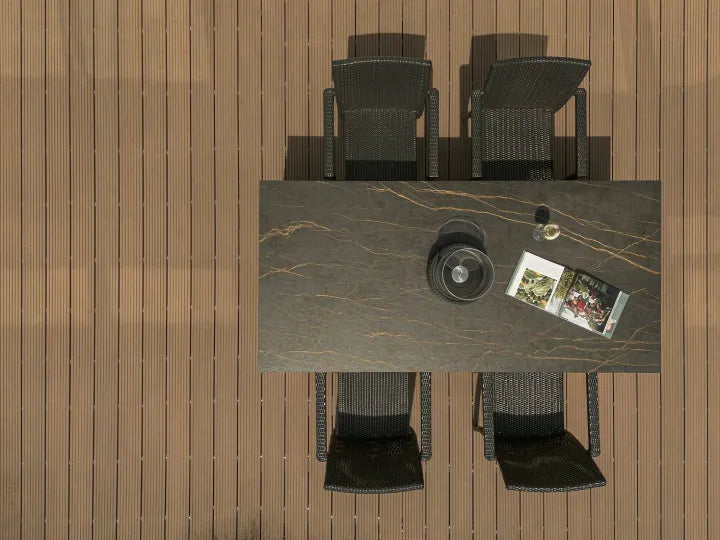


Browse 12 current Funtek gray travertine and compatible gray stone-look sintered stone designs, from pale greige to deep charcoal. These are large-format sintered stone surfaces—not natural travertine tiles. Start with tone and pattern, then verify the live application tags, full slab and physical sample before specification.
Explore 12 Gray Travertine and Stone-Look Designs
The first two products carry the current travertine-look tag. The remaining gray stone-look designs are included in the same Funtek gray-travertine selection direction, giving buyers a wider range of pale, warm, medium and dark surfaces. Open any card to review the exact live product page.
Watch on YouTube
Need a warmer beige or red travertine direction? Continue to the travertine-look sintered stone collection. This page keeps the gray shortlist and compatible stone-look alternatives together for faster comparison.
Choose the Right Gray Direction
Start with lightness, undertone and pattern strength. Pale mist and greige surfaces make large areas quieter; silver and medium grey show more mineral movement; charcoal and high-contrast designs create a stronger focal point. Screen colour is only a shortlist tool, so compare the final candidates in the project's actual lighting.
Light and quiet
Use pale grey for broad, calm surfaces
Roman Cave, Nordic Rock, New Lime, Lisk Grey, Seattle Light Grey and Picasso Grey reduce visual weight across walls, floors and furniture-scale panels.
Medium and directional
Use visible movement to hold the design
Caesar Silver, Rock Grey and New Armani Grey keep the grey direction clear while adding linear or mineral structure that remains readable at room scale.
Dark and graphic
Use charcoal as a focal surface
Dark Grey and Bulgari Grey carry more contrast. Review edges, joints, lighting and surrounding finishes before using them across a large uninterrupted area.

Match the Slab to the Project
Use each card's current application tags as the first filter, then verify the exact surface, format and installed system for the project. A matching colour or pattern does not by itself approve an exterior, paver, wet-area or structural application.
Floors
Start with the three floor-tagged designs
Caesar Silver, Nordic Rock and Lisk Grey currently carry the floor tag. Continue with the sintered stone flooring page to define finish evidence, substrate, joints and layout.
Walls and furniture
Check the full vertical pattern
Five designs carry a wall tag, while Nordic Rock also carries a furniture tag. Use the interior wall planning page when panel joints, corners and openings are known.
Countertops and availability
Verify the exact product before quoting
Rock Grey currently carries a countertop tag. Dark Grey remains an active product page but its current availability needs confirmation. Treat both as product-specific checks, not family-wide claims.
Approve the Full Pattern Before Ordering
A small sample can confirm colour and surface feel, but it cannot show the full movement or the relationship between panels. Use three views to turn the shortlist into a usable approval.
01 · Full slab
Read the pattern as one surface
Open the exact product page and compare the complete slab, not a close crop. Note pattern strength, direction and which edge should read as the top.
02 · Project layout
Place the movement on the drawing
Mark finished panel sizes, visible joints, corners, openings and cut-outs. This exposes where high-contrast or directional movement will meet.
03 · Physical sample
Link the sample to the product code
Record the selected name or SKU with the approval and state which production reference, finish, project documents and availability need confirmation.
If the shortlist moves beyond gray travertine and related stone visuals, use the sintered stone pattern overview to compare other design families without changing this page's selection task.
Shortlist Gray Travertine for Your Project
Send the product names or codes, application, drawings or finished dimensions, quantity, destination and sample needs. Funtek can review the shortlist, confirm availability and define the next quotation step.