


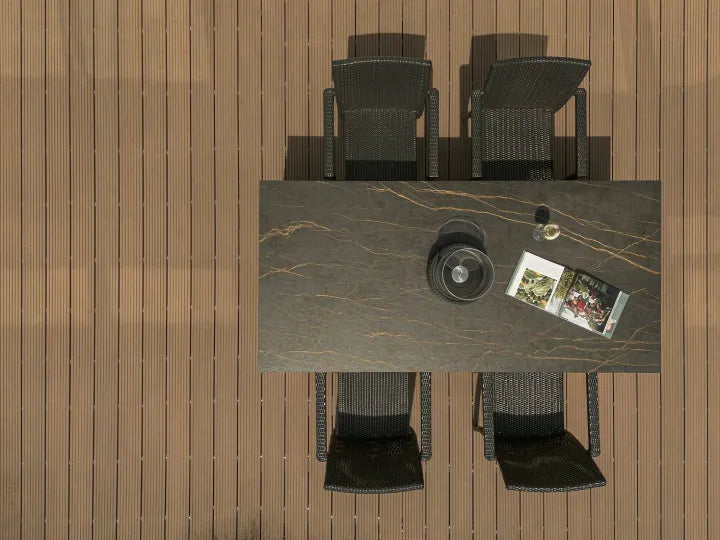


Быстрый ответ
спечённый камень с имитацией бетона можно использовать для обеденных столов, письменных столов, фасадов шкафов и других поверхностей мебели, если выбранная плита, толщина, основа, рама, кромка и маршрут изготовления утверждены как одна сборка.
Начните с включения двух или трех из восьми текущих поверхностей Funtek ниже. Затем отправьте готовые размеры, чертеж рамы или подложки, базовые положения, детали кромок, проемы, количество и место назначения, чтобы 6, 9 или 12 mm можно было проверить на предмет фактической стоимости. предмет мебели — выбирается не только по толщине.
Просмотрите все восемь вариантов поверхности мебели под бетон
Текущая коллекция Cement Look содержит восемь активных продуктов в оттенках серого, бежевого, бежевого и теплого абрикосового. На каждой карточке показаны живые названия продуктов, изображения, форматы и толщины. «В списке для мебели» означает текущую запись о названии продукта, используемую в мебели; «проверка сборки» означает, что он остается визуальным кандидатом до тех пор, пока Funtek не подтвердит готовую конструкцию стола или панели.

Bellamoum Apricot Плита из спечённого камня под цемент
Мягкое помутнение микроцемента для теплых минималистских мебельных программ, краснодеревщиков и гармоничных интерьеров.
- Мебельный маршрут В списке для мебели на заказ
- Форматы 900 × 1800–1600 × 3200 mm
- Толщина 6 / 9 / 12 / 15 mm

New Lime Плита из спечённого камня
Более спокойный светло-серый вариант с мягкой текстурой известняка для покупателей мебели, которым не нужен однотонный индустриальный серый цвет.
- Мебельный маршрут Внешний вид кандидата; обзор сборки
- Форматы 900 × 1800–1600 × 3200 mm
- Толщина 6 / 9 / 12 / 15 mm

Alps Grey Плиты из спечённого камня
Бетоноподобный серый цвет с большей глубиной тона, чем у почти однородной цементной поверхности.
- Мебельный маршрут Внешний вид кандидата; обзор сборки
- Форматы 900 × 1800–1600 × 3200 mm
- Толщина 6 / 9 / 12 / 15 mm

Cement Light Grey Плита из спечённого камня
Контролируемый архитектурный серый цвет для столов, письменных столов или прилавков, где бетонный вид должен оставаться сдержанным.
- Мебельный маршрут В списке столешниц; обзор сборки стола
- Форматы 900 × 1800–1600 × 3200 mm
- Толщина 6 / 9 / 12 / 15 mm

Micro Cement Moderate Ash Плиты из спечённого камня
Средне-серое, мелкозернистое направление для более ярких палитр промышленных столов и контрактной мебели.
- Мебельный маршрут В списке столешниц; обзор сборки стола
- Форматы 900 × 1800–1600 × 3200 mm
- Толщина 6 / 9 / 12 / 15 mm

Dior Grey Плита из спечённого камня под цемент
Более теплый серый цвет, который может сочетаться с черными металлическими рамами, дубовыми столярными изделиями и нейтральной обивкой.
- Мебельный маршрут Внешний вид кандидата; обзор сборки
- Форматы 900 × 1800–1600 × 3200 mm
- Толщина 6 / 9 / 12 / 15 mm

Dior Beige Плита из спечённого камня под цемент
Кремовый, низкоконтрастный цементный оттенок для более мягкой мебели для жилых, гостиничных или торговых помещений.
- Мебельный маршрут Внешний вид кандидата; обзор сборки
- Форматы 900 × 1800–1600 × 3200 mm
- Толщина 6 / 9 / 12 / 15 mm

Belamo Micro-Cement Beige Плита из спечённого камня
Теплый вид микроцемента уже используется для поверхностей мебели, а также для внутренних стен.
- Мебельный маршрут Входит в список для мебельных поверхностей
- Форматы 900 × 1800–1600 × 3200 mm
- Толщина 6 / 9 / 12 / 15 mm
Используйте полная коллекция Cement Look когда вам нужна последняя информация о наличии продуктов, выходящая за рамки этой статьи.
Сопоставьте поверхность с коллекцией мебели
Бетонный вид – это не один цвет. Холодные и средние оттенки серого придают черной стальной раме более резкий индустриальный вид; серый и бежевый легче сочетаются с дубовой, бронзовой, кремовой обивкой и теплым освещением. Низкоконтрастное помутнение легче повторить на тихой мебели, в то время как более сильное движение необходимо намеренно размещать на парных столешницах, створках или соседних панелях.
Сдержанная серия для контрактных проектов
Выберите низкоконтрастную матовую или мелкозернистую поверхность, а затем утвердите физический образец рядом с покрытием рамы и обивкой.
Акцентный обеденный стол
Используйте больше тональных движений только в том случае, если макет во весь верх является частью дизайна. Перед началом производства утвердите грань сляба и ориентацию резки.
Гармоничный комплект мебели
Зафиксируйте один код продукта, ссылку на отделку и одобрение для столов, столов, фасадов шкафов и заказов на пополнение запасов.
Начните проектирование с толщины 6, 9 или 12 mm.
Толщина — это начальный маршрут, а не полная спецификация таблицы. Текущая мебельная программа Funtek использует 6 mm для конструкции панелей с опорой или склейкой, 9 mm для компонентов стола с подтвержденным расположением опоры и 12 mm для настольных маршрутов, где базовое положение, пролет, проемы, конструкция края и общий вес рассматриваются вместе.
| Толщина | Предварительный мебельный маршрут | Что влияет на окончательное решение | Не предполагайте |
|---|---|---|---|
| 6 mm | Склеенные панели, поддерживаемые фасады шкафов, облицовка или спроектированная композитная конструкция. | Подложка, клей, рама, наращивание кромок, размер панели и обращение с ней. | Что плита работает как свободный верх |
| 9 mm | Поддерживаемые компоненты столов, столов и мебельных панелей | Готовый размер, опорная решетка, базовое положение, отверстия, край и транспортировка. | Только эта толщина определяет допустимый пролет или нагрузку. |
| 12 mm | Маршруты для обедов, встреч и настольных маршрутов с интенсивным использованием | Жесткость рамы, неподдерживаемые зоны, крепления, выступы кромок и вес готовой сборки. | Что каждая большая вершина может использовать одну и ту же рамку |
Восемь текущих продуктов также содержат варианты 15 mm. Рассматривайте 15 mm как еще одну доступную спецификацию для рассмотрения, а не как универсальное обновление. Полный Страница поставок мебели и столешниц охватывает более широкую границу проекта.
Спроектируйте подложку и раму стола как одну сборку.
Плита, подложка, каркас и соединение основания создают один путь нагрузки. Склеенная основа может распределить поддержку и увеличить толщину кромки; металлический или деревянный каркас контролирует жесткость и передает нагрузки на основание; детали крепления должны препятствовать самостоятельному перемещению верха. Правильная сборка зависит от размера верха, формы, положения основания, расширений, вырезов, использования внутри или снаружи помещения, а также от того, как готовая деталь будет транспортироваться.

Столешница не может быть одобрена только по толщине плиты; Опорная рама, основа, крепление, базовое положение и маршрут перемещения определяют, как будет вести себя весь узел.
Блокировка профиля кромки, резки и компоновки большого стола
Видимый край меняет как внешний вид, так и изготовление. Прямой выступающий край делает плиту визуально тонкой; облегченная или микрорадиусная обработка уменьшает острые выступы; скошенный или наращенный край создает эффект более толстого бетонного блока, но добавляет стыки, подложку и работу по перемещению. Запишите предполагаемую кромку, радиус угла, выступ нижней части и вылет рамы на рабочем чертеже.

Для резки отправьте чертеж с размерами с указанием каждого отверстия, выемки, внутреннего угла, кабельной втулки и крепления основания. Производитель должен подобрать инструмент и параметры для конкретной плиты и проверить маршрут на пробном изделии перед массовым производством. Используйте Funtek руководство по изготовлению и монтажу для более глубокой передачи.
Для большой столешницы сопоставьте готовую деталь внутри полезной плиты, а не только номинальный формат. Укажите обрезку кромок, направление рисунка, вырезы, удлинители, зазоры для манипуляций и ориентацию упаковки. Наличие большого формата может уменьшить количество стыков, но максимально возможный цельный верх не является автоматически самой безопасной сборкой.
Рассчитайте вес до того, как рама и упаковка будут окончательными
Используйте вес только плит достаточно рано, чтобы повлиять на основание, раму, план подъема и экспортную упаковку. Калькулятор планирования Funtek использует типичную плотность 2,450 кг/м³, поэтому оценка выглядит следующим образом: ширина × длина × толщина × 2,450. Фактический продукт, партия и готовая сборка могут отличаться.
| Толщина | Планируемый вес на м² | 1600 × 3200 mm вес только плиты | Значение мебели |
|---|---|---|---|
| 6 mm | 14.7 кг/м² | 75.3 кг | Добавьте опору, раму и оборудование, прежде чем выбирать грузоподъемность и базовую грузоподъемность. |
| 9 mm | 22.1 кг/м² | 112.9 кг | Проверьте обращение в мастерской, жесткость рамы и последовательность упакованных компонентов. |
| 12 mm | 29.4 кг/м² | 150.5 кг | База координат, маршрут доступа, метод сборки и защита экспорта |
Это плановая смета только для спечённого камня. Они не включают подложку, клей, наращивание кромок, рамку, фурнитуру и упаковку. Введите реальный размер обрезки в поле Калькулятор веса спечённого камня, затем получите вес готового компонента и упаковки перед утверждением производства или отгрузки.
Утверждение согласованности цвета, образцов и повторного производства
Небольшой образец проверяет тон, отделку и прикосновение; он не показывает полного распределения облаков или движения по длинной столешнице. Для единичных изделий просмотрите физический образец и, если размещение имеет значение, изображение всей плиты или выбранной грани плиты. Для повторной мебели зафиксируйте код продукта, отделку, утвержденный образец, версию чертежа и количество в одной записи заказа.

- Образец утверждения: сравните физическую поверхность с покрытием рамы, деревом, обивкой и финальным освещением.
- Полное одобрение: просмотрите направление, движение и взаимосвязь между парными столешницами, соседними панелями или приставными створками.
- Одобрение производства: записывайте изделие, отделку, толщину, детали, допуски, кромку, границу подложки/рамы, маркировку упаковки и критерии проверки.
- Пополнение: укажите утвержденный заказ и запросите новый сравнительный образец, когда более поздняя партия должна находиться рядом с первой продукцией.
Отправьте краткое описание мебели для OEM или оптового заказа
Funtek поставляет плиты, панели по чертежам, компоненты из обработанного камня и скоординированные OEM-программы обработки поверхностей. Каркасы, основания, фурнитура и окончательная сборка мебели не входят в стандартный объем поставки плит, если в предложении не указано иное.
| Вход | Что отправить | Что позволяет Funtek просматривать |
|---|---|---|
| Список поверхностей | Два или три названия продукта, направление отделки и статус утвержденного образца. | Текущая доступность, образец маршрута и цвет. |
| Чертежи мебели | Готовые размеры, форма, края, отверстия, рама/подложка, базовые положения и номера деталей. | Формат плиты, предварительная толщина и граница обработки |
| Количество программ | Количество штук каждой модели, цвета и партии; план прототипа и повторного заказа | Планирование партий, последовательность резки и учет пополнения запасов |
| Коммерческая сфера | Цельные плиты, разрезанные панели или обработанные компоненты; обязательный осмотр и упаковка | Граница котировки и разделение ответственности |
| Доставка | Назначение, график, пределы разгрузки и последовательность маркировки | Экспортная упаковка, план погрузки и возможность доставки |
Для согласованного оформления гостиничного, офисного или торгового интерьера продолжайте направляющая для стеновых панелей для коммерческого использования с имитацией бетона таким образом, мебель и стены имеют общий график отделки.
Итог
Хорошая спецификация мебели, имитирующей бетон, начинается с реального списка продуктов, а затем доказывается, что выбранная поверхность может сочетаться с конструкцией стола или панели. Отметьте два или три из восьми текущих цветов, задайте предварительный маршрут 6/9/12 mm и отправьте рисунок, концепцию рамы/подложки, кромку, отверстия, количество и место назначения для проверки образцов и производства.
Продолжить изучение поверхностей, имитирующих цемент
Используйте следующее руководство, соответствующее решению, которое еще предстоит принять вашему проекту.
- Коммерческие стеновые панели под бетон — Координируйте поверхности мебели с коммерческими пакетами стеновых панелей.
- Столешницы под бетон — Сравните одни и те же восемь плит для столешниц и островов.
- Полная коллекция плит под цемент — Просмотрите все восемь текущих страниц продуктов.
Запросите образцы мебели под бетон и расценки
Отправьте предпочтительные продукты, чертежи мебели, направление толщины, концепцию основы или рамы, количество, объем обработки и место назначения. Funtek может просмотреть текущие образцы, форматы плит и маршрут поставок для вашей программы по производству столов или мебели.