


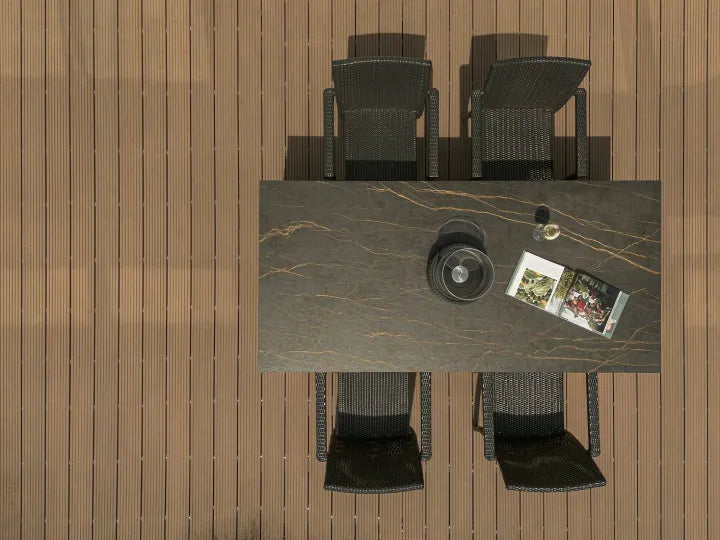


Керамогранит, похожий на мрамор может воспроизвести Каррару, Calacatta, Statuario и другие образцы камня, не требуя ухода за натуральным мрамором. Важный выбор – это не просто «вид мрамора». Это сочетание масштаба рисунка, количества граней, формата плитки или плиты, отделки, расположения затирки и утвержденного применения.
Все еще сравниваете другие семейства поверхностей? Используйте Funtek. Руководство по альтернативам мраморной столешницы перед сужением формата размещайте керамогранит рядом с спечённым камнем, кварцитом, искусственным кварцем, гранитом и другими вариантами.
Какая керамогранитная плитка, похожая на мрамор, лучше всего?
Оптимальный вариант – изделие, мраморный рисунок которого остается убедительным в масштабах готового помещения. Ректифицированный многогранный керамогранит – отличный выбор для модульной планировки полов и ванных комнат. Крупноформатный фарфор или спечённая плита под мрамор часто лучше подходит для островов, стен во всю высоту и вестибюлей, где меньшее количество швов сохраняет состав прожилок.

Что считается керамогранитом?
Фарфор – это техническая классификация плитки, а не синоним всех плит, похожих на керамику. Совет по плитке Северной Америки определяет керамогранит как керамическую плитку с водопоглощением 0.5% или менее при испытании по стандарту ASTM C373. Это определение отличает фарфор от более впитывающей некерамогранитной керамической плитки, но оно не одобряет продукт для каждого пола, стены, наружного применения или столешницы.
Терминология большого формата менее последовательна. Поставщик может использовать керамогранитный слэб, калиброванная фарфоровая панель, керамическая плита, компактная поверхность или спечённый камень для продуктов, которые похожи на фотографиях. Сравните заявленный стандарт, корпус, толщину, отделку, рекомендации по применению и систему изготовления, а не выбирайте только по названию категории. Funtek Сравнение керамогранитного слэба и спечённого камня объясняет эту границу.
Выберите эталон мраморного рисунка до формата
Рисунок Carrara
Поверхности, вдохновленные Каррарой, обычно имеют более мягкий белый или бледно-серый фон с тонкими, спокойными движениями серого. Они подходят для комнат, где столешница или стена должны поддерживать остальную палитру, а не становиться главным элементом.
Рисунок Calacatta
Поверхности в стиле Calacatta используют более четкое поле и более широкие и широко расположенные прожилки. Серые, золотые или теплые минеральные акценты могут сделать остров или стену визуальным фокусом. Большим прожилкам необходима достаточная непрерывная площадь для правильного считывания.
Рисунок Statuario
Дизайн, вдохновленный скульптурами, обычно сочетает в себе яркое поле с четкими серыми прожилками и более сильный контраст, чем тихий образ Каррары. Эти названия являются ссылками на дизайн, а не классами производительности. Используйте Funtek. руководство по узорам из спечённого камня для построения более точного визуального брифа.
Обычная плитка под мрамор и крупноформатный керамогранитный слэб
| Точка принятия решения | Обычная керамогранитная плитка | Крупноформатная фарфоровая или спечённая плита |
|---|---|---|
| Типичный визуальный результат | Повторяющиеся модули, разделенные затиркой | Более широкий непрерывный рисунок с меньшим количеством стыков. |
| Управление шаблоном | Зависит от поставляемых поверхностей и направления установки | Зависит от дизайна анфаса, карты разреза и соотношения лиц. |
| Лучшее стартовое использование | Полы, душевые стены, фартуки и модульные планировки | Стены во всю высоту, острова, тумбы под раковину, мебель и фокусные поверхности. |
| Умение обращаться | Детали меньшего размера легче переносить и заменять. | Требуется обработка слябов, подходящий транспорт и обученное изготовление. |
| Приоритет покупки | Цвет коробки, калибр, лицевая смесь и план затирки | Полная плита, набор граней, отделка, толщина, выход резания и маршрут подъема |
Больший формат не является автоматически лучшим. Небольшой пол в душевой может выиграть от большего количества швов и облегчения попадания в дренаж. Высокая приемная стена может выиграть от одного широкого лица с контролируемой веной. Начинаем с готовой сборки.
Размер и линии затирки определяют визуальную непрерывность
Затирка является частью дизайна. Эффект мрамора теряет непрерывность, когда жирная прожилка останавливается на каждом шве или цвет затирки создает доминирующую сетку. Выпрямленные края могут поддерживать более узкие, более контролируемые швы, если это разрешено производителем, основанием и установщиком, но затирку и деформационные швы нельзя удалять, если система установки требует разделения.
Нарисуйте фасад стены или пола и нанесите на него реальные размеры. Подсчитайте стыки, найдите вырезанные части, проверьте дверь и доступ к лифту и решите, должна ли жилка пересекать угол или заканчиваться перед ним. Текущий список продуктов под мрамор Funtek имеет формат до 1600 × 3200 mm, но наличие в списке не означает автоматического одобрения для каждого использования.
Полированный или матовый керамогранит под мрамор?
Полированная поверхность увеличивает отражение и может сделать белый мрамор ярче. Это также делает освещение, отпечатки пальцев, водяные знаки и изменения поверхности более заметными. Матовая поверхность рассеивает свет и создает ощущение тишины и архитектурности.
Отделка также является решением об использовании. Не выбирайте мокрый пол только по внешнему виду. TCNA DCOF и ANSI A326.3 руководство использует заявленную производителем классификацию использования твердых поверхностей, подчеркивая при этом, что риск скольжения также зависит от дорожного движения, загрязнений, технического обслуживания, износа и условий проекта. Спросите точную заявленную классификацию использования продукта, а не предполагайте, что каждая матовая плитка безопасна или каждая полированная плитка непригодна.
Где уместны керамогранит под мрамор и спечённый камень
| Приложение | Сильный стартовый формат | Что проверить |
|---|---|---|
| Стена в ванной | Крупный керамогранит или тонкая плита большого формата. | Стыки панелей, ниши, проходы, подложка и очистка |
| Душ или мокрый пол | Соответствующая классификация напольной плитки | Заявленная классификация влажного использования, дренаж, текстура и уход. |
| Кухонный фартук | Ректифицированный обрез плитки или плиты | Выпускные вырезы, выравнивание швов и возможность очистки |
| Кухонный остров | Утвержденная сборка плиты для столешницы | Толщина, поддержка, наращивание кромок, вырезы и возможности производителя. |
| Вестибюль или декоративная стена | Крупноформатная плита или согласованный набор граней | Высота, последовательность граней, маршрут подъема и система крепления |
Для панелей для влажных зон просмотрите Funtek. Направляющая для стены в ванной из спечённого камня. Для приема и отметок объектов используйте руководство по нанесению внутренних стен.
Как сделать керамогранит под мрамор более реалистичным
- Посчитайте лица. Слишком малое количество разных лиц может привести к появлению одной и той же прожилки через очевидные промежутки времени.
- Обзор в масштабе комнаты. Выложите несколько плиток или используйте файлы анфас, чтобы проверить повторение.
- Координируйте затирку. Выберите ширину и цвет шва с учетом фактического края и тона фона.
- Спланируйте характерную жилку. Отметьте места, где происходит самое сильное движение вокруг дверей, углов, раковин и мебели.
- Проверьте край. Рисунок, напечатанный на поверхности, не может проходить через корпус; Одобряйте открытые края отдельно.
- Сохраните один контрольный образец. Цвет, отделка и одобрение партии должны оставаться прослеживаемыми при поступлении заказа.
Три крупноформатных декора Funtek под мрамор для короткого списка
Эти активные продукты иллюстрируют различные направления рисунка и отделки. Подтвердите точную партию, отделку, размер, толщину и сборку в предложении.

Липис Calacatta
Широкий бело-серый механизм Calacatta с матовой отделкой с низким уровнем бликов для декоративных стен, умывальников и фартуков.
Посмотреть Липис CalacattaОткрыть продукт →
Золотые прожилки Calacatta
Теплый золотой и серый оттенок с гармоничным сочетанием стен в гостиных и фонов в ванных комнатах.
Посмотреть золотые прожилкиОткрыть продукт →
Taj Mahal
Теплый механизм цвета слоновой кости, кремового и золотистого цвета с полированной поверхностью и тремя случайными гранями.
Посмотреть Taj MahalОткрыть продукт →Текущие перечисленные форматы: 900 × 1800, 900 × 2600, 1200 × 2400, 1200 × 2600 и 1600 × 3200 mm, с 6, 9, 12 и 15 mm параметры. Перед заказом подтвердите выбранный вариант и готовую сборку. Просмотрите полную коллекция спечённого камня под мрамор для текущего наличия.
Что положить в фарфор или плиту под мрамор RFQ
- Каррара, Calacatta, Statuario или другая визуальная ссылка
- теплый или прохладный фон и предпочтительный цвет прожилок
- размеры, толщина и отделка плитки или плиты
- количество граней, случайное совпадение, требование непрерывного совпадения или зеркальной раскладки
- фасады помещений, размеры готового разреза и видимые края
- Применение на полу, стене, тумбе под раковину, столешнице или мебели
- заявленные требования к классификации использования или технической документации
- количество, запасные материалы, контроль партий, потребности в образцах и пункт назначения
Используйте Калькулятор площади спечённого камня для предварительного планирования количества затем попросите установщика или изготовителя утвердить окончательную резку и допуск на отходы.
Итог
Лучшая керамогранитная плитка, которая выглядит как мрамор, — это та, которая остается целостной после добавления швов, разрезов, освещения и установки. Обычный керамогранит удобен для модульных полов и стен. Плиты из спечённого камня или фарфора большого формата становятся более привлекательными, когда проект требует широкого движения прожилок и меньшего количества видимых швов. Утвердите настоящий внешний вид, отделку и применение, а не только название мрамора.
Превратите образец мрамора в спецификацию сборной плиты
Отправьте Funtek высоту, визуальный образец, отделку, толщину, количество и пункт назначения. Мы можем порекомендовать текущие поверхности с имитацией мрамора и подготовить образцы для рассмотрения проекта.