


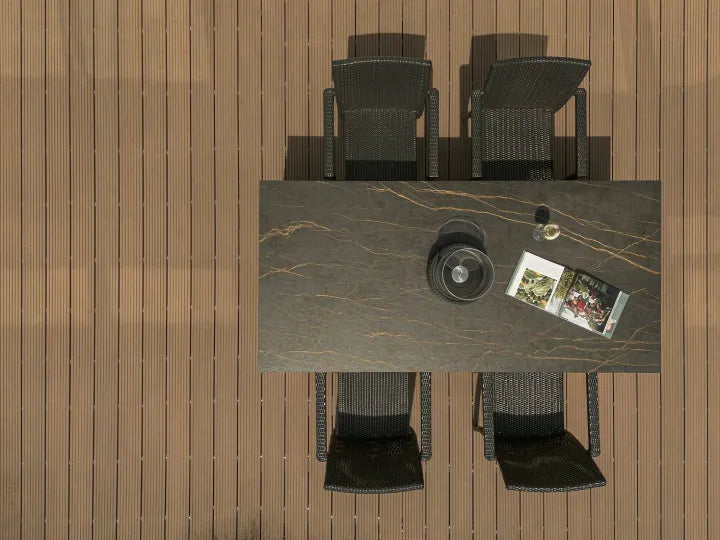


спечённый камень можно приобрести в Кении у местных поставщиков плит, кухонных компаний и специализированных производителей. Для одной домашней столешницы покупка на месте обычно является самым простым путем, поскольку просмотр, создание шаблонов, резка, доставка и установка могут быть скоординированы на одном рынке. Прямые поставки с завода становятся все более актуальными для разработчиков, дистрибьюторов и многокомнатных проектов, которые могут объединить повторяющиеся цвета и контролировать производство на месте.
Важное сравнение заключается не в том, «Какая плита имеет самую низкую рекламируемую цену?» Это вопрос: «Какое предложение доставит одобренную поверхность, правильно и безопасно обрезанную, на строительную площадку?» Цифра только для плит, цена за погонный метр и стоимость контейнера описывают разные объемы.
Где можно купить спечённый камень в Кении?
Кенийские покупатели могут приобрести спечённый камень у местных складов и компаний, занимающихся столешницами, поручить местному производителю работу с выбранной плитой или импортировать проектное количество от производителя. В Найроби самая широкая концентрация выставочных залов и производственных услуг, а поставщики могут организовать доставку в Момбасу и другие округа. Подтвердите наличие товара, условия доставки и возможность установки у конкретного продавца.
Прежде чем сравнивать цены, выберите маршрут покупки.
Местное предложение плит дает быстрый доступ к материалу, уже находящемуся в Кении, но изготовление может осуществляться отдельно. Предложение по установке столешницы может включать в себя изготовление шаблонов, резку, вырезы под мойку и варочную панель, обработку кромок, транспортировку и установку. Прямое предложение от завода-изготовителя может начаться по адресу EXW или FOB и оставить покупателю фрахт, страхование, документы о соответствии, оформление, внутреннюю транспортировку и изготовление.
| Маршрут покупки | Лучше всего подходит | Подтвердите перед оплатой | Главный компромисс |
|---|---|---|---|
| Плита местного склада | Небольшие или срочные проекты | Фактический сляб, партия, размеры и производитель | Простота проверки, но ограниченный выбор модели или партии. |
| Упаковка местного производства | Домовладельцы и интерьеры под ключ | Шаблон, вырезы, кромка, подставка, доставка и монтаж. | Более простая координация, но стоимость зависит от проекта |
| Прямая поставка проекта с завода | Разработчики, дистрибьюторы и повторяющиеся спецификации | Образец, контроль партии, контроль качества, упаковка, Инкотермс и производитель на стороне Кении | Больше выбора и контроля, но больше работы по логистике и обеспечению соответствия |
Что должно включать в себя предложение по спечённому камню в Кении?
Надёжное коммерческое предложение идентифицирует плиту и объем услуги, а не просто название цвета. Запишите номинальные и полезные размеры, толщину, отделку, номер партии или оттенка, количество и направление рисунка. Для столешниц добавьте чертеж, профиль кромки, свесы, стыки, тип мойки, вырез под варочную панель и видимые обратные линии.
«За плиту», «за квадратный метр» и «за погонный метр» не взаимозаменяемы. Цена за погонный метр обычно предполагает фиксированную глубину и может не включать выступы, водопады, вырезы или доставку. ценовой ориентир на спечённый камень объясняет, какие уровни затрат относятся к установленному сравнению.
Запросите физический образец цвета и отделки, а затем утвердите производственную плиту или фотографию плиты в высоком разрешении, если движение и соответствие книг имеют значение.
Низкая основная цена плиты не является самой низкой стоимостью проекта, когда изготовление, вырезы, доставка, установка, поломка и переделка выходят за рамки предложения.
Какая толщина подходит для столешниц, стен и мебели?
Толщина должна соответствовать применению, конструкции опоры и методу, одобренному изготовителем. Тонкие крупноформатные панели полезны для обшивки стен и обшивки мебели, поскольку уменьшают вес материала, но требуют ровной опоры и бережного обращения. В системах столешниц обычно используются более толстые плиты или поддерживаемые наращивания; скошенный возврат может создать более глубокий визуальный край без излишне массивной сплошной секции.
Отправьте производителю точные данные о продукте и запросите письменное подтверждение основы, положения рельсов, пролетов, пределов свеса, зазоров для вырезов и обработки кромок. Страница технических характеристик столешницы из спечённого камня — это правильный следующий справочник для решений, специфичных для столешниц.
Направление продукции серого цвета с низким уровнем бликов для проектов в Кении
Спокойный сплошной серый цвет подойдет для кухонь, островков и стен ванных комнат, где проекту нужна последовательная архитектурная основа, а не резкие прожилки. Изделие, указанное ниже, является фабричным вариантом, а не претензией на местные склады или установку в Кении.

Слэб Pure Gray из спечённого камня
Текущие данные о продукте Funtek определяют сплошную серую матовую поверхность с низким уровнем бликов для столешниц, кухонных островов и стен ванной комнаты. Перечисленные форматы запускаются от 900 × 1800 mm до 1600 × 3200 mm, с 6, 9, 12 и 15 mm. Перед заказом подтвердите необходимый формат, текущую доступность, MOQ и приложение.
Посмотреть продуктВозможности изготовления имеют большее значение, чем просто торговая марка
Большие спечённые плиты являются жесткими и требовательными к углам, вырезам и транспортным переходам. Убедитесь, что производитель на стороне Кении имеет подходящую мостовую пилу или станок с ЧПУ, правильный инструмент, стабильную режущую станину и опыт перемещения тонких крупноформатных панелей.
Запросите фотографии аналогичных работ и осмотрите внутренние углы, поручни раковины, узкие планки, скошенные края и доступ на площадку. Перед раскроем модели приборов и раковин должны быть окончательными. Полный руководство по укладке спечённого камня более подробно описывает подготовку; При покупке необходимо согласовать производителя и способ крепления перед заказом плиты.
Как следует упаковывать плиты и отправлять их в Кению?
Плиты, изготовленные непосредственно на заводе, должны перемещаться в специально построенной раме или ящике, который удерживает нагрузку, защищает поверхности и края и соответствует плану разгрузки. Запросите размеры ящика и вес брутто, количество плит на раму, защиту кромок, защиту от влаги, точки подъема и фотографии погрузки.

Морские грузы обычно доставляются через порт Момбаса. Управление портов Кении также описывает внутренние контейнерные склады, связанные с Момбасой, включая Найроби, но правильный маршрут зависит от коносамента, перевозчика, плана очистки и местоположения проекта. Подтвердите это перед отправкой. Funtek глобальное руководство по доставке слябов объясняет вопросы упаковки и перевозки, которые включены в заказ на поставку.
Какие проверки KEBS и таможни применяются к импортируемым слябам?
Соответствие импорта должно быть подтверждено для конкретного продукта и партии перед погрузкой. Бюро стандартов Кении заявляет, что продукция, подпадающая под его программу предэкспортной проверки соответствия, оценивается в стране-экспортере на соответствие применимым кенийским техническим регламентам или утвержденным спецификациям, а регулируемые партии должны иметь необходимый сертификат соответствия.
Поскольку операционные механизмы могут измениться, используйте текущие Руководство KEBS PVoC и подтвердите активный путь сертификации. Не полагайтесь на старый список инспекторов, скопированный в брошюру поставщика.
Налоговое управление Кении сообщает, что импортеры используют таможенного агента для обработки таможенной документации, а пошлина зависит от таможенной стоимости и тарифной классификации. KRA также публикует требование о наличии сертификата происхождения. Предоставьте брокеру состав, описание производства, размеры, предполагаемое использование, счет-фактуру, упаковочный лист и документы о происхождении, чтобы брокер мог подтвердить классификацию, налоги и записи.
Не используйте общий онлайн-процент в качестве обещания конечной стоимости. Пошлины, НДС, сборы, портовые сборы, линейные сборы, таможенная очистка, хранение и внутренние перевозки должны быть подробно указаны лицензированным кенийским таможенным агентом на текущую дату и точную классификацию.
Когда прямые поставки с завода имеют коммерческий смысл?
Прямые закупки на заводе работают, когда контроль партий, повторные поставки и проектные цены превышают дополнительные затраты на координацию. Обычно легче обосновать пакеты квартир, гостиничный бизнес, розничную торговлю, дистрибьюторов или проекты, сочетающие столешницы, стены и мебельные панели в совместимых форматах.
Начните со списка раскроя и полезного количества, а не с цели контейнера. Добавьте допуск на направление рисунка и поломку, а затем проверьте, образует ли заказ разумную производственную и отгрузочную партию. процесс закупок напрямую с фабрики описывает квалификацию поставщика, образцы, проверки и контроль заказов на поставку.
Для небольшого жилого проекта местные запасы могут оказаться более выгодными, даже если цена на плиты выше, поскольку покупатель избегает международных перевозок, таможенного согласования, излишков материала и отдельного процесса возмещения ущерба.
Отправьте эту информацию для получения сопоставимого предложения по проекту
Укажите город проекта и его применение, чертежи или измеренные площади, предпочтительную цветовую гамму и отделку, размер и толщину плиты, количество, детали кромки и выреза, срок поставки, а также укажите, касается ли запрос только плит или готовых компонентов. При импорте укажите требуемые Инкотермс и пункт назначения.
Определите, кто несет ответственность за окончательные измерения, изготовление на стороне Кении, документы о соответствии, таможенное оформление, разгрузку и установку. Тогда поставщик может установить цену определенной ответственности вместо того, чтобы включать непредвиденные расходы в неполный запрос.
Итог
спечённый камень доступен в Кении, но лучший маршрут покупки зависит от масштаба проекта и от того, кто будет производить материал. Покупайте на месте, когда проверка, скорость и скоординированная установка имеют наибольшее значение. Рассмотрите возможность прямых поставок с завода, когда повторяющееся количество, стабильность партий и более широкий выбор оправдывают профессиональное управление перевозками и соблюдением требований.
Какой бы маршрут вы ни выбрали, сравните весь объем, утвердите физическую поверхность, аттестуйте производителя и подтвердите требования KEBS/таможни перед отправкой или резкой.
Планирование проекта по спечённому камню в Кении
Отправьте заявку, чертежи, размер плиты, толщину, отделку, количество, город назначения и статус производства на стороне Кении. Мы ответим на весь объем поставки проекта.