


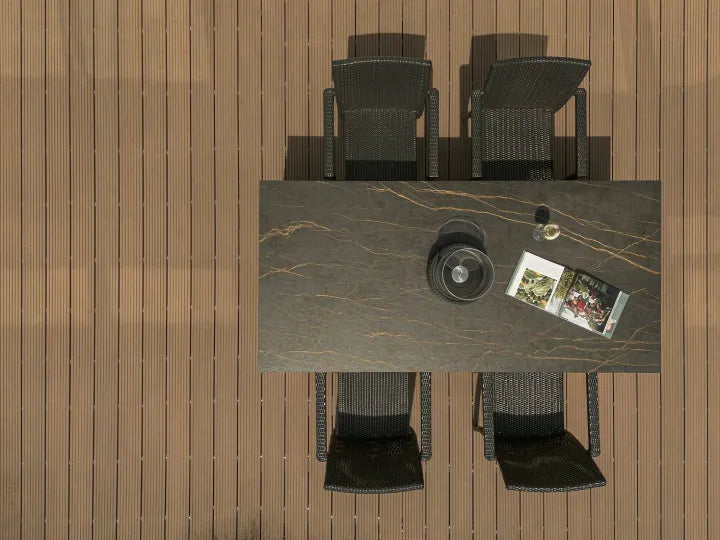


يتم اختيار الحجر المُلبَّد اللامع للطريقة التي يعكس بها الضوء، ويعمق اللون ويعطي لوحًا حضورًا بصريًا أكثر مصقولًا. وهذا يجعلها جذابة للجدران المميزة والأثاث والجزر وأسطح الاستقبال - ولكن الكلمة لامع ليست مواصفات فنية كاملة. لا يزال المنتج وعملية الإنهاء والدفعة والإضاءة وبناء الحواف والاستخدام المقصود بحاجة إلى الموافقة معًا.
ما هو الحجر المُلبَّد اللامع؟
الحجر المُلبَّد اللامع عبارة عن بلاطة ملبدة ذات وجه عاكس للضوء، وتُباع عادةً تحت مصطلحات مثل مصقول أو عالي اللمعان أو ناعم اللمعان. يمكن أن يجعل العروق واللون يبدو أكثر حيوية، لكن أسماء التشطيبات ليست عالمية عبر الشركات المصنعة. يجب على المشترين الموافقة على المنتج الدقيق والعينة المادية والبلاطة الكاملة - وليس الاعتماد على كلمة "لامع" وحدها.
اللمعان اللامع والمصقول والناعم ليست مرادفات عالمية
يمكن أن تبدو المفردات النهائية دقيقة بينما لا تزال تصف المظاهر المختلفة. يجوز لمورد واحد استخدام مصقول للحصول على وجه يشبه المرآة. قد يستخدم آخر لامع لعدة مستويات عاكسة. لمعان ناعم غالبًا ما تقترح انعكاسًا ألطف، ولكنها ليست وحدة لمعان مشتركة بين العلامات التجارية.
قد يختلف مسار الإنتاج أيضًا حسب المجموعة. يمكن صقل الوجه أو تزجيجه أو بنائه من خلال عملية سطحية خاصة أخرى. Funtek دليل تقنيات سطح الحجر المُلبَّد يشرح عائلات العملية الأوسع والمعلمات التي تنتمي إلى الموافقة الفنية.

الاسم النهائي هو أداة قائمة مختصرة. تعتبر العينة المادية المعتمدة وعرض اللوحة الكاملة ووثائق المنتج هي المواصفات.
الحجر المُلبَّد اللامع مقابل المطفي
لم تكن أي من النهاية أفضل تلقائيًا. يزيد اللمعان من الضوء المنعكس والعمق البصري؛ يقلل اللون غير اللامع من الانعكاسات الحادة وعادة ما يكون أكثر هدوءًا. يعتمد الاختيار الصحيح على النمط واللون وزاوية الرؤية وتوقعات الصيانة والمكان الذي سيتم استخدام اللوحة فيه.
| نقطة الاختيار | وجه لامع أو مصقول | وجه غير لامع أو منخفض الانعكاس | ما للموافقة |
|---|---|---|---|
| الضوء والانعكاس | ينشئ نقاطًا بارزة ويمكن أن يضيء سطحًا بؤريًا | ينتج مظهرًا أكثر نعومة وانتشارًا | عرض عينة عموديًا وأفقيًا تحت إضاءة المشروع |
| النمط واللون | يمكن أن تجعل الألوان الداكنة والتأثيرات المعدنية والعروق تبدو أعمق | يمكن أن يجعل نفس التصميم يبدو أكثر هدوءًا وأكثر ملمسًا | قارن النمط الدقيق في كلا التشطيبين، وليس الرقائق العامة |
| علامات مرئية | قد تكشف الانعكاسات عن وجود بقع أو غبار أو آثار مسح على بعض الأسطح الداكنة أو الموحدة | قد تكون العلامات أقل وضوحًا، على الرغم من أن الملمس يمكن أن يؤثر على التنظيف | التعامل مع العينة الفعلية وتنظيفها قبل الموافقة عليها |
| الحواف | يمكن للوجه العاكس أن يتناقض بشدة مع الحافة المقطوعة أو الركيزة | قد يبدو الانتقال أكثر هدوءًا ولكنه لا يزال يحتاج إلى تفاصيل | الموافقة على ملف تعريف الحافة، ميتري، لون الجسم وموضع التماس |
| استخدام الكلمة | لا تفترض الملاءمة من اسم المنتج | لا تفترض أن الوجه غير اللامع مقاوم للانزلاق تلقائيًا | اطلب بيانات الانزلاق الرطب/الجاف الدقيقة التي يتطلبها المشروع |
بالنسبة للألواح اللامعة الداكنة على وجه الخصوص، اطلب من المورد إظهار السطح بعد المعالجة والتنظيف العاديين. تعد رؤية بصمات الأصابع مسألة مظهرية، وليست عيبًا عالميًا، وتختلف باختلاف اللون والإضاءة والطلاء. إذا كان العميل يريد مظهرًا أكثر سطوعًا مع انعكاس أقل وضوحًا، فقد يكون خيار اللمعان الناعم هو المقارنة الأكثر فائدة من البلاطة غير اللامعة بالكامل.
مواضع مناسبة لاستخدام الحجر المُلبَّد اللامع
تعمل الألواح اللامعة بشكل أفضل بصريًا حيث يساهم السطح المنعكس في التصميم. يمكن أن يكون ذلك طائرة كبيرة غير منقطعة، أو سطحًا للأثاث، أو جزيرة يمكن النظر إليها من عدة زوايا. البناء النهائي لا يزال يحدد مدى ملاءمته.
تتميز بجدران ومكاتب استقبال وواجهات مناضد البار
على الأسطح الرأسية، يمكن أن يؤدي اللمعان إلى تكثيف العروق وخلق حركة أثناء مرور الأشخاص. تستفيد جدران الاستقبال وطاولات البار أيضًا من الطابع المتميز والمستجيب للضوء للمظهر الحجري المصقول. خطط للمواضع المشتركة والإضاءة مبكرًا: يمكن لضوء الرعي أن يحتفل بالنهاية، ولكنه يمكن أيضًا أن يجعل رؤية الشفاه أو تباين السطح أسهل. راجع Funtek إرشادات تطبيق الجدار الداخلي لاعتبارات الركيزة والتركيب.
طاولات الطعام وأسطح الأثاث الأخرى
غالبًا ما يتداخل البحث عن الحجر المُلبَّد اللامع مع طاولات الطعام الجاهزة. ومع ذلك، بالنسبة للمصنعين، فإن البلاطة هي فقط المادة المواجهة أو العلوية. لا يزال نظام الطاولة بحاجة إلى الدعم الهندسي ومعالجة الحواف وطريقة التثبيت واستراتيجية التأثير. استخدم Funtek الأثاث والتوجيه الطاولة عند تطوير المنتج النهائي.
جزر المطبخ وأسطح العمل وأسطح وحدات المغاسل
يمكن أن يعطي اللمعان مظهرًا رخاميًا أو أنماطًا غريبة عرضًا قويًا على الجزر وأسطح وحدات المغاسل. راجع الانعكاسات من النوافذ والمعلقات، ثم تأكد من القصاصات ومواقع التماس وملامح الحواف وتعليمات التصنيع. ال دليل سطح العمل الحجر المُلبَّد يغطي قرارات النظام الأوسع بما يتجاوز اختيار النهاية.
الأرضيات
يجب تحديد المنتج اللامع للأرضيات فقط عندما تدعم وثائق المنتج الدقيقة وطريقة اختبار المشروع المطلوبة هذا الاستخدام. قد يدرج الحقل التعريفي للمنتج الأرضيات كتطبيق، ولكن ظروف المشروع - المناطق الرطبة والمنحدرات والحركة العامة والأكواد المحلية - يمكن أن تتطلب أدلة مختلفة. لا تستبدل أبدًا مستوى اللمعان المرئي ببيانات أداء الانزلاق.

Funtek الألواح اللامعة الحالية إلى القائمة المختصرة
تم تحديد منتجات Funtek النشطة التالية حاليًا على أنها أسطح مصقولة وعالية اللمعان. وهي تُظهر ثلاثة اتجاهات تصميمية مختلفة: رخام شاحب هادئ، وحركة مثيرة باللونين الأبيض والأسود، وتأثير معدني باللونين الأزرق والأسود. استخدمها لطلب عينات وبدء القائمة المختصرة للمشروع؛ قم بتأكيد المتغير المحدد والإنهاء والدفعة والتطبيق في عرض الأسعار.

فينوس رمادي فاتح
لوح ذو مظهر رخامي رمادي باهت ذو وجه عاكس مصقول شديد اللمعان وحركة مقيدة. إنها نقطة بداية مفيدة للمشترين الذين يريدون السطوع بدون نمط متناقض بشدة.
- نمط: مظهر رخامي رمادي فاتح، تطابق عشوائي
- جسم: الجسم القياسي
- التطبيقات المدرجة: سطح العمل وجدران وأرضيات الحمام

الفراشة باندورا
سطح مصقول عالي التباين باللونين الأبيض والأسود للمشاريع حيث يُقصد من اللوحة أن تصبح قطعة مركزية بصرية. تتميز بدلات الحركة واسعة النطاق بالطائرات والأثاث الأنيق.
- نمط: مظهر باندورا الغريب، وجه واحد معروض، تطابق عشوائي
- جسم: الجسم القياسي
- التطبيقات المدرجة: تتميز جزر المطبخ بجدران وطاولات

New Sapphire
لوح مصقول باللون الأزرق والأسود لكامل الجسم مع ومضات تشبه المعادن تتغير تحت ضوء الاتجاه. إنه يهدف إلى تطبيقات الضيافة والاستقبال والجزيرة ووحدة المغسلة الدرامية.
- نمط: تأثير معدني أزرق-أسود، وجه واحد معروض، تطابق عشوائي
- جسم: كامل الجسم
- التطبيقات المدرجة: تتميز الجزر وعدادات الاستقبال والبار بجدران وأسطح زينة
| منتج | اتجاه التصميم لامعة | التنسيقات المدرجة الحالية | سمك المدرجة الحالية |
|---|---|---|---|
| فينوس رمادي فاتح | مظهر رخامي شاحب هادئ | 900×1800 إلى 1600×3200 mm | 6، 9، 12 و15 mm |
| الفراشة باندورا | حركة دراماتيكية بالأبيض والأسود | 900×1800 إلى 1600×3200 mm | 6، 9، 12 و15 mm |
| New Sapphire | عمق المعدنية الأزرق والأسود | 900×1800 إلى 1600×3200 mm | 6، 9، 12 و15 mm |
الأحجام والسمك المدرجة هي خيارات كتالوج، وليست موافقة تلقائية لكل استخدام. تأكد من التوفر والتشطيب الدقيق والدفعة وطريق التصنيع وملاءمة النظام عند طلب عرض أسعار.
فحص الألواح اللامعة تحت إضاءة المشروع
عينة صغيرة تجيب على أسئلة اللون واللمس، لكن اللوحة الكاملة تكشف استمرارية الانعكاس وحجم النمط وكيفية تصرف الوجه عبر مستوى كبير. اطلب كلاهما عندما تكون النتيجة المرئية مهمة.
بالنسبة للقطع المتكررة، مثل أسطح طاولات المطاعم أو ألواح الخزانات، اتفق على النطاق البصري والاتجاه المقبولين. بالنسبة للألواح المميزة لمرة واحدة، حدد اتجاه العرض المقصود والمفصل والرئيسي قبل التصنيع.
يجب الموافقة على النهاية والجسم والحافة معًا
الوجه المصقول لا يخبرك كيف ستبدو الحافة المقطوعة. يتم تحديد Venus Light Gray وButterfly Pandora حاليًا كمنتجات قياسية للجسم، بينما يتم تحديد New Sapphire على أنه كامل الجسم. وحتى في هذه الحالة، لا تفترض أن نمط الوجه أو اللمعان أو العروق يتكرر عبر السُمك.
حدد ما إذا كان المشروع يستخدم حافة مقطوعة مكشوفة أو تراكم ميتريد أو حافة مغلفة أو حافة مؤطرة أو تفاصيل تصنيع أخرى. اطلب عينة حافة نهائية عندما تكون الحافة مرئية. وهذا مهم بشكل خاص على طاولات الطعام، وجزر الشلال، وواجهات الزينة وطاولات الاستقبال، حيث يكون الانتقال من الوجه إلى الحافة جزءًا من التصميم.
لا توافق على الوجه واترك الحافة حتى التصنيع. السطح العاكس يجعل من السهل ملاحظة لون الجسم غير المتطابق والخطوط اللاصقة وهندسة الحواف.
توقعات التنظيف والعلامات والإصلاح
يجب أن تأتي إرشادات التنظيف الروتينية من مورد المنتج المحدد. كفحص عام للاختيار، اختبر العينة باستخدام الماء والبقايا والمنظف المعتمد المتوقع في الخدمة، ثم اشطفها وجففها لترى كيف تظهر اللمسة النهائية تحت الضوء. دليل Funtek إلى الحجر المُلبَّد والتلطيخ يشرح لماذا يجب النظر في السطح والملوث ووقت المكوث وإجراءات التنظيف معًا.
لا تفترض أن الوجه اللامع المثبت يمكن صقله آليًا مثل الحجر الطبيعي التقليدي. تعتمد خيارات الإصلاح وإعادة التلميع على المنتج وعملية الإنهاء؛ العمل غير المصرح به يمكن أن يغير المظهر بشكل دائم. يقرأ هل يمكن تلميع الحجر المُلبَّد؟ قبل التخطيط للمعالجة، والحصول على الطريقة المكتوبة من قبل الشركة المصنعة للبلاطة المختارة.
يتوافق هذا النهج الخاص بالمنتج مع إرشادات الشركة المصنعة المنشورة. ال الدليل الفني Dekton يفصل بين تعليمات التشطيب والتنظيف والتصنيع، بينما إرشادات العناية بالخزف Caesarstone يوفر قيود التنظيف والتلميع الخاصة به. هذه أمثلة لمنتجاتهم، وليست تعليمات عامة لكل لوح الحجر المُلبَّد.
ما يجب إرساله في بلاطة لامعة RFQ
يصف طلب عرض الأسعار المفيد الهدف المرئي والتطبيق النهائي. يتيح ذلك للمورد أن يوصي بمنتج حقيقي بدلاً من تفسير "اللمعان العالي" بشكل منفصل.
| RFQ العنصر | ماذا ترسل | لماذا يهم |
|---|---|---|
| المنتج أو الهدف البصري | اسم المنتج والصورة ومجموعة الألوان واتجاه النمط | يبدأ من لوح يمكن تحديده بدلاً من كلمة نهائية عامة |
| إنهاء المرجع | مصطلح مصقول أو لامع أو ناعم اللمعان بالإضافة إلى عينة مادية معتمدة إذا كانت متوفرة | يقلل من الاختلافات في مصطلحات النهاية بين الموردين |
| طلب | الجدار أو الطاولة أو الجزيرة أو سطح العمل أو وحدة المغسلة أو الأرضية أو أي منتج آخر | يربط اختيار الوجه باحتياجات الدعم والحافة والتصنيع والاختبار |
| أبعاد | الأحجام النهائية والكمية والاتجاه والقصاصات وشكل/سمك اللوحة المفضلة | يدعم الإنتاج والتخطيط والتعامل وتخطيط عروض الأسعار |
| الإضاءة والمشاهدة | داخلي/خارجي، عمودي/أفقي، اتجاه الضوء ومسافة المشاهدة النموذجية | يساعد في تقييم الوهج والانعكاس ومظهر اللوحة الكاملة |
| الحافة والتصنيع | ملف تعريف الحافة، ميتري/تراكم، حواف مكشوفة، الشركة المصنعة ونطاق التجميع | يوضح المسؤولية والموافقة المباشرة المطلوبة |
| أولويات الأداء | مطلوب أدلة الانزلاق أو المواد الكيميائية أو التآكل أو غيرها من الأدلة الخاصة بالمشروع | يمنع لغة المظهر من استبدال المتطلبات الفنية |
| التفاصيل التجارية | احتياجات العينة والوجهة وكمية الطلب والتوقيت المطلوب | يدعم التخطيط للتعبئة والشحن والتوريد |
الخلاصة
يعد الحجر المُلبَّد اللامع خيارًا قويًا عندما يكون الانعكاس وعمق اللون ووجود النمط أجزاء متعمدة من التصميم. طريقة الشراء الأكثر أمانًا هي العلاج لامع كبداية للمواصفات: حدد المنتج الدقيق، وقارنه بالبدائل الناعمة اللامعة وغير اللامعة، وافحص عينة مادية ولوحًا كاملاً تحت إضاءة المشروع، ووافق على الوجه والجسم والحافة والاستخدام المقصود معًا.
قم بوضع قائمة مختصرة من البلاطة اللامعة لمشروعك
أخبر Funtek بالمكان الذي سيتم استخدام اللوحة فيه، ومستوى اللون والانعكاس الذي تريده، والأحجام النهائية ومفهوم الحافة. يمكننا مساعدتك في مقارنة المنتجات المصقولة الحالية وترتيب العينات وإعداد مجموعة مختارة جاهزة لعرض الأسعار.