


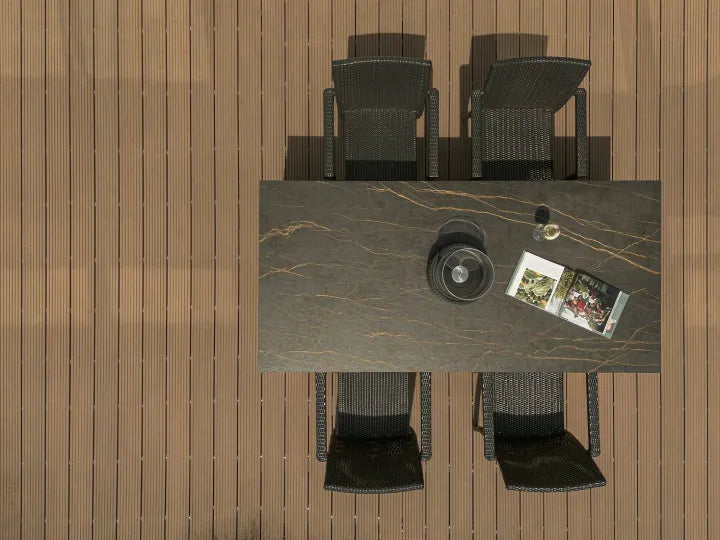


اختيار بلاط مانعة للانزلاق حول المسبح ليس مسألة إيجاد أكبر رقم R على لوحة العينة. تجمع محيطات المسبح بين القدمين الحافيين، والماء، وواقي الشمس، والمنحدرات، والمصارف، ومواد التنظيف الكيميائية، والمستخدمين الذين قد يركضون أو يغيرون اتجاههم. تربط المواصفة الصحيحة التشطيب الدقيق وطريقة الاختبار بمنطقة الاستخدام الحقيقي، ثم تتحقق من السطح المثبت والمصان.
كيف تختار بلاط مضاد للانزلاق حول المسبح؟
ابدأ بمنطقة الاستخدام والمتطلبات المحلية، ثم اطلب أدلة مبللة أو حافية القدمين ل رمز المنتج الدقيق والتشطيب. تحقق من طريقة الاختبار، المنزلق أو الأحذية، الملوث، الاتجاه والتصنيف. ارفض التشطيبات المصقولة أو غير المؤكدة، وتنسيق السقوط والتصريف، وتأكد من أن الملمس يمكن تنظيفه دون فقدان التماسك.
هذه الصفحة تملك طريقة اختيار السلامة. استخدم مادة سطح المسبح عمود عندما لا يختار المشروع بعد مسارا ماديا.
استخدم هذه الأرقام كمعيار قبول أولي
| الأدلة | رقم القرار | كيفية استخدامه |
|---|---|---|
| بندول HSE في المملكة المتحدة، إعداد الاختبار الصحيح | PTV 0–24 إمكانات عالية؛ 25–35 متوسط؛ 36+ جهد منخفض | لتقييم على الطراز البريطاني، رفض سطح المشي المبلل مرارا وتكرارا تحت معيار قبول المشروع؛ استخدم تقرير الرطوبة بالضبط. |
| عمل البندول حافي القدمين | 55 المنزلق | لا تستبدل نتيجة منزلق القدم الحذاء بمنطقة مسبح حافي القدمين. |
| ANSI A326.3 DCOF | 0.42 ليس عتبة شاملة للمسبح الخارجي | طلب تصنيف الرطوبة الخارجية المعلنة من الشركة المصنعة ومراجعة مخاطر المشروع بدلا من نسخ رقم داخلي. |
التوجيهات من نطاقات المملكة المتحدة وSlider 55 تأتي من ورقة معلومات بندول HSE. في أمريكا الشمالية، ANSI A326.3 يتجنب صراحة تحديد حد DCOF معياري واحد لأسطح المسابح والمناطق الرطبة الخارجية الأخرى. ارفض تقرير عينة إذا لم يحدد التشطيب المرتب، وحالة الاختبار، وفئة الاستخدام المقصودة.
حدد منطقة استخدام المسابح أولا
سطح المسبح، غرفة تبديل الملابس، الدش، المنحدر، الدرج، حافة التحمل، والأرضية المغمورة لا تشكل نفس الخطر. سجل ما إذا كان المستخدمون حفاة القدمين، وما إذا كان الأطفال قد يركضون، والملوثات المحتملة، والتدرجات، وحركة المرور ونظام التنظيف. HSE إرشادات السلامة في المسابح يقول إن تشطيبات المسبح يجب أن تأخذ في الاعتبار التدرج، والخشونة، وإزاحة الرطوبة، وملف السطح، وثبات القدم—وليس تصنيفا بمعزل عن غيره.
قم بإنشاء خريطة المخاطر قبل طلب عينات
حدد الخطة حسب التعريض بدلا من تخصيص تشطيب واحد لكل منطقة زرقاء اللون. قد تشهد الشرفة السكنية الهادئة بعض القطرات بين الحين والآخر؛ يمكن أن يبقى الشريط خلف كتل البداية، ومنطقة رش الأطفال، ومخرج الدش، والمنحدر المتاح، ودرجة السبا رطبة باستمرار وتحمل أنماط حركة مختلفة. كما تفتقر أحاط المسابح الداخلية إلى الجفاف السريع الذي توفره الرياح والشمس في الهواء الطلق.
لكل منطقة، سجل:
- حافي القدمين، الأحذية أو حركة المرور المختلطة؛
- المياه الراكدة، الرذاذ المتقطع أو الظروف شبه الجافة؛
- أرضية مستوية، منحدر، درج، تغيير المستوى أو حافة التكييف؛
- واقي الشمس، دهون الجسم، مسحوق الغسيل، الأوراق، الطحالب أو الترسيبات المعدنية؛
- المستخدمون المتوقعون، الإشراف، وما إذا كان التشغيل متوقعا؛
- الوصول إلى التنظيف، المعدات، والتردد المخطط له.
تخبر هذه الخريطة المحدد أي الأدلة ذات صلة وما إذا كان هناك نهاية واحدة يمكن أن تخدم كل منطقة بشكل معقول. كما أنه يمنع الحاجة عالية الخطورة للمنحدر من أن يتم تقليدها بشكل أعمى على شرفة كبيرة حيث قد يكون نفس الملمس العدواني غير ضروري وصعب الحفاظ عليه.
اقرأ تقييمات R، اختبارات القدمين الحافيين، واختبار PTV بشكل صحيح
| الأدلة | ما الذي يمكن أن يشير إليه | ما الذي يجب التحقق منه | خطأ شائع |
|---|---|---|---|
| تصنيف منحدر الشد / R | الأداء في طريقة المنحدر المسماة مع الأحذية | التشطيب القياسي، والملوث، والفئة، والمنتج | التعامل مع R11 كموافقة شاملة على مسبح حافي القدمين |
| منحدر حافي القدمين | الأداء لمناطق محددة للرطب حافي القدمين | الفئة والمنطقة والمعيار الحالي المعمول به | استخدام فئة القدمين الحافي لمنطقة مختلفة |
| بندول / PTV | قياس جهد الانزلاق في الظروف المسماة | السلايدر، الملوث الرطب، الاتجاه والتقرير | عرض سعر قيمة جافة أو خاطئة في المنزلق |
| DCOF أو الطريقة الإقليمية | الأدلة ضمن إطار السوق ذي الصلة | الإصدار، فئة الاستخدام، الحالة والقيود | نقل عتبة سوق واحدة عالميا |
HSE إرشادات مقاومة الانزلاق الأرضية يحدد 36 PTV وما فوق كجهد انزلاق منخفض ضمن إطار البندول الخاص به ويحدد 55 السلايدر للمناطق الحافية القدمين. هذا لا يحول 36 إلى شهادة تجمع عالمية. تحذر سبورت إنجلاند أيضا من التمريرات الهامشية وتشير إلى أن التركيب والتلوث والتنظيف قد يؤثر على الأداء.
كيفية تدقيق تقرير اختبار الانزلاق
لا تقبل جدول مقصوص أو تقييم مكتوب في الكتالوج. اقرأ التقرير بما يكفي لتطابقه مع السطح المرتب. يجب أن يحدد التقرير المختبر، التاريخ، المعيار والإصدار، العينة، المصنع أو المورد، رمز المنتج، التشطيب، اتجاه الاختبار، التكييف، الملوث، المنزلق أو الأحذية، النتائج الفردية والتصنيف. الصور أو الوصف النموذجي لها قيمة عندما تشترك عدة تشطيبات في اسم منتج واحد.
ثم اطرح أربعة أسئلة:
- الهوية: هل تتطابق العينة المختبرة مع SKU، والتشطيب ومسار الإنتاج الذي يتم توفيره؟
- الحالة: هل تم اختباره وهو رطب، مع الملوث المناسب وفي الاتجاهات الحرجة؟
- الاستخدام: هل تنطبق الطريقة والفئة على استخدام المسبح حافي القدمين في هذه المنطقة وهذه السلطة؟
- الفارق: هل النتيجة داخل نطاق القبول بشكل مريح، أم أن التمريرة الهامشية فقط عرضة للتغير أو بقايا التركيب أو التآكل؟
إذا كان أي رابط في تلك السلسلة مفقودا، فإن التصنيف هو دليل لمزيد من التأكيد، وليس للموافقة النهائية.
EN 16165 ينظم الطرق؛ لا يختار اللوح نيابة عنك
قد تشير المواصفات الأوروبية إلى EN 16165، الذي يجمع عدة طرق مقاومة انزلاق للمشاة في إطار معياري واحد، بما في ذلك المنحدرات الحافية وذات الأحذية، ومسارات البندول وقياس التريبومتر. لا يزال على المشروع اختيار الملحق المناسب، واستخدام الفئة ومعايير القبول. اسأل المصمم أو الجهة عن الطريقة التي تحكم الموقع، ثم اطلب تقرير المطابقة.
يجب أن يزيح الملمس الماء دون أن يصبح غير قابل للتنظيف
المزيد من الملمس يمكن أن يساعد في خلق اتصال عبر طبقة ماء، لكن الملفات المتطرفة قد تحبس واقي الشمس، والدهون الجسمية، والأوساخ، والترسيبات المعدنية. سبورت نيوزيلندا إرشادات الأرضيات المائية يبرز التوازن بين مقاومة الانزلاق الكافية والتنظيف الناجح. السطح المتسخ ذو "القبضة العالية" يمكن أن يصبح أرضية تشغيلية أسوأ من السطح المختار بشكل صحيح وقابل للصيانة.
يمكن أن يصبح الملمس الأكثر أمانا مشكلة صيانة إذا لم يتمكن فريق التنظيف من إزالة ملوثات المسبح من ملفه.
التنظيف جزء من مواصفات السلامة
يجب الموافقة على خطة الصيانة مع البلاط لأن أداء الانزلاق يمكن أن يتدهور بسبب التلوث حتى عندما يبقى السطح نفسه دون تغيير. حدّد أنواع الاتساخ المتوقعة ومواد التنظيف ونسب التخفيف ومدة التلامس وطريقة الفرك وتصريف مياه الشطف وتكرار التنظيف. الممسحة التي تعيد توزيع بقايا الزيت قد تكون غير كافية؛ قد يتسبب الوسادة العدوانية أو منظف الحمض في تلف سطح أو فواصل أو علاج.
قم بإجراء تجربة تنظيف عملية على النموذج المثبت. قم بتسخها بواقي شمس ممثل أو بقايا المسبح، ثم نظفها باستخدام المعدات المقترحة، ودعها تجف وفحصها بحثا عن الطبقة المحتجزة. بالنسبة للمنشآت التجارية، سجل من يملك الفحص الدوري، وما الذي يدفع إلى التنظيف العميق، ومتى يجب إعادة اختبار الأرضية. المستشار الحالي لهيئة الصحة والسلامة الانزلاقات والتعثرات FAQ كما يحذر من أن علاجات النقش بحمض تؤثر على المظهر وعمر الجسم، مما يعزز سبب حاجة العلاج العلاجي إلى اختبار متحكم فيه بدلا من وعد غير رسمي.

التصريف جزء من التحكم في الانزلاق
مقاومة الانزلاق لا تعوّض تجمّع المياه. نسّق الميول والمصارف الخطية والقنوات والعتبات وفواصل الحركة والانتقال من حافة المسبح إلى السطح بحيث تُصرف المياه بعيدًا عن مسارات المشي. تأكد من أن المصارف متاحة ولا تسبب حواف حادة أو نقاط تعثر. هذا ينتمي إلى ملخص البلاط قبل الانتهاء من التصميم.
الموافقة على السطح المثبت، وليس فقط العينة المصنعة
بقايا الملاط، السائل العازل، أوساخ البناء، الشفاه، التلميع أثناء التنظيف والارتداء يمكن أن تغير النتيجة النهائية. حدد نموذج تركيب وطريقة قبول. بالنسبة للمسابح ذات المخاطر العالية أو التجارية، خطط لما بعد التركيب والاختبارات الدورية بدلا من الاعتماد إلى الأبد على تقرير المنتج الأصلي.
اطلب نوع التشطيب النهائي للمسبح
قبل التسليم، افحص السقوط، والانتقالات، ومستويات التصريف، والشفاه، والجروح الحادة، وضباب الفواصل وبقايا العلاج. تأكد من أن مقاول التنظيف يمتلك المواد الكيميائية والمعدات المناسبة. عندما يتطلب مخطط مخاطر المشروع اختبارا، قم بقياس السطح المثبت في اتجاهات ومناطق تمثيلية بعد تنظيف البناء—وليس بينما لا يزال مغطى بمواد واقية أو بقايا.
يجب أن يحتفظ ملف التسليم بهوية المنتج والدفعة، وتقارير المختبر، والموافقة على النموذج التجريبي، ونتائج الاختبارات المثبتة، وطريقة التنظيف، وتكرار الفحص، وقاعدة التحكم في التغيير. إذا قام المشغل لاحقا بتطبيق الطلاء، أو تغيير المواد الكيميائية، أو تلميع الأرضية ميكانيكيا، فقد لا تصف الأدلة الأصلية للسلامة السطح بعد الآن.
عندما يكون سطح المسبح الحالي زلقا بالفعل
أولا حدد السبب: واقي الشمس المحتجز، الطحالب، الطبقة المعدنية، سوء التصريف، بقايا البناء، الملمس التآكل أو الطلاء غير المناسب بطبيعته يتطلب استجابات مختلفة. نظف وقيم منطقة اختبار محكمة قبل اختيار العلاج أو الاستبدال. لا تقم بالنقش بالحمض أو الطلاء أو الخشونة الميكانيكية على سطح السطح بالكامل حتى يتم إثبات التوافق والمظهر والاختبار الرطب والصيانة على نموذج تجريبي.
قد يحسن العلاج نتيجة اختبار واحدة لكنه يخلق لون غير متساو، أو يقلل من عمر السطح، أو يدخل دورة تجديد. عندما يكون تجمّع المياه أو التخطيط هو السبب الجذري، فإن معالجة السطح وحدها لا تزيل الخطر الرئيسي. لذا يجب أن تغطي المواصفة التصحيحية التصريف، والوصلات، والانتقالات، والتنظيف إلى جانب التشطيب.
قارن بين البورسلان والترافرتين فقط بعد اجتياز متطلبات السلامة
يمكن للبورسلان الخارجي والترافرتين الملمس أن يقدما تشطيبات مناسبة، لكن طرق الصيانة والحرارة والمظهر تختلف. بمجرد أن يكون لدى التشطيبات الدقيقة أدلة موثوقة، استخدم مقارنة البورسلان والترافرتين حول المسبح لاتخاذ قرار بين المادتين.

لا تنس حافة المسبح
يتم لمس الكومبينغ والضغط عليه ووضعه عليه، لذا فإن نتيجة التشكيلة المقبولة لا تعني تلقائيا الحافة الإيجابية. تحقق من التشطيب الرطب، نصف القطر أو التشنج، البروز، الوصلات والدعم في نموذج بالحجم الكامل. تابع مع دليل مواد حافة المسبح مع المسبح عندما يكون نظام الحافة لا يزال مفتوحا.

قائمة تحقق لاعتماد البلاط المضاد للانزلاق
- استخدم المنطقة، حركة المرور، الأحذية أو حالة المشي حافي القدمين، التدرجات والملوثات.
- الشركة المصنعة، رمز المنتج، الشكل، السماكة، والتشطيب الدقيق.
- اختبار المعيار، الطريقة، المنزلق/الأحذية، الملوث، الاتجاه، القيمة والفئة.
- تاريخ التقرير الحالي وتأكيد أن العينة التي تم اختبارها تطابق التوريد.
- السقوط، المصارف، الفواصل، الانتقالات، الفواصل، المادة السدادة وأي علاج.
- مواد التنظيف الكيميائية، المعدات، الفحص المتكرر والدوري أو خطة إعادة الاختبار.
الخلاصة
البلاط المضاد للانزلاق مناسب للمسبح هو التشطيب الدقيق الذي يلبي متطلبات البلل أو المشي حافي القدمين المحلي، ويصرف بشكل صحيح، ويبقى قابلا للتنظيف ويحافظ على أدائه بعد التركيب والاستخدام. تحديد الأدلة وظروف التشغيل معا؛ لا تشتري تصنيفا منفصلا عن السطح.
هل تحتاج إلى أدلة وعينات دقيقة التشطيب؟
أرسل منطقة استخدام المسبح، الموقع، اتجاه التشطيب والمعيار المطلوب. يمكننا المساعدة في تحديد خيارات السطح الحالية والوثائق التقنية التي يجب أن ترافق العينة.