


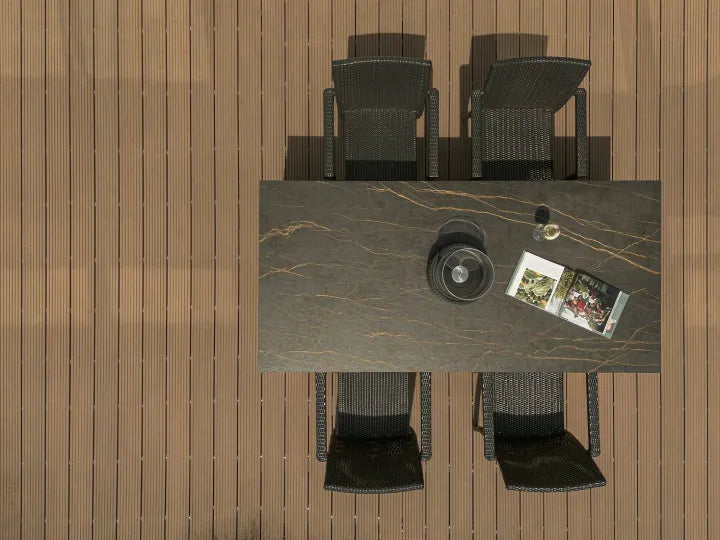


A مكتب الحجر المُلبَّد لا يعرف فقط بالقمة العليا. يمكن أن يكون السطح خيارا قويا لمساحة عمل عالية الاستخدام، لكن المكتب النهائي ينجح فقط عندما يتم تصميم اللوح، وإطار الدعم، والحافة، والقطعات، والتخزين، ومسار الكابلات، وهندسة محطة العمل كمجموعة واحدة.
هل الحجر المُلبَّد خيار جيد لسطح المكتب؟
نعم—الحجر المُلبَّد هو سطح مكتب عملي عندما يحتاج المشروع إلى مظهر معدني راق، ورعاية روتينية للمسح وسطح عمل متين. ويعد ذلك ذا صلة خاصة بالمكاتب التنفيذية، وطاولات العمل المشتركة، وغرف الاجتماعات، وبرامج الأثاث المخصصة.
المادة لا تجعل المكتب بأكمله متينا تلقائيا. الاصطدام بالحافة أو امتداد غير مدعوم أو مشبك ذراع مراقبة موضوع بشكل سيء أو قطع بدون تعزيز منسق يمكن أن يخلق نقاط عطل. الموافقة على بناء الأثاث بالكامل، وليس عينة بلاطة بحد ذاتها.
حدد المكتب كنظام أثاث كامل
ابدأ بوظيفة المكتب المقصودة، ثم حل الحجر. تفرض مكتب اللابتوب، ومحطة العمل ذات الشاشتين، ومكتب التنفيذي، وطاولة المشاريع المشتركة متطلبات مختلفة على العمق، والتخزين، والوصول إلى الكابلات، والأحمال المركزة.
Funtek برنامج الأثاث الحجر المُلبَّد وطاولة الطاولة يغطي المكاتب وأسطح العمل والنجارات المخصصة، لكن صانع الأثاث يبقى مسؤولا عن التجميع النهائي. يجب أن يحدد العرض من يزود اللوح، ومن يصنعه، من يبني القاعدة، من يصنع الفتحات، ومن يوافق على رسم الدعم النهائي.

سمك البلاطة لا يحل محل خطة الدعم السفلية
قد يكون الجزء العلوي الأكثر سمكا من لوح حقيقي، أو تراكم حواف مغلفة أو سطح رقيق ملتصق بلوح مدعوم. هذه التركيبات غير قابلة للتبادل. تأكد من سمك اللوح الفعلي، ومادة الخلفية، ونظام اللاصق، وتخطيط الإطار، وقسم الحافة النهائية قبل الموافقة على المظهر.
الصورة السفلية أدناه توضح سبب أهمية الإطار المخفي: القضبان، المثبتات، ووصلات الألواح تحمل حركة السطح والتحكم. اطلب رسم للأسفل مع مواقع دعم ونقاط تثبيت بدلا من الاعتماد على الارتفاع الأمامي.

تقدير وزن مكون اللوح مبكرا باستخدام Funtek حاسبة وزن الحجر المُلبَّد، ثم أضف الخلفية، والإطار، والأدراج، والأجهزة والمعدات. والنتيجة هي مدخلات تخطيطية لمهندس الأثاث وفريق اللوجستيات، وليس تقييم حمل مكتبي مكتبي معتمد.
احمِ الحواف والزوايا من الأحمال المركزة الناتجة عن الأجهزة
حواف المكاتب تتعرض لاتصال قريب من الكراسي والحقائب والمعدات والأشخاص. يمكن أن يقلل الحافة الأمامية المستديرة أو المنخفضة من إجهاد التلامس ويجعل سطح العمل أكثر راحة، بينما يجب أن يحمي تفصيل الحافة الهيكلية اللوح ويتناسب مع الدعم السفلي.
أذرع المراقبة، وحدات الطاقة، وحلقات الكابلات تدخل أحمالا أو فتحات مركزة. يجب أن تظهر مواقعهم في رسم التصنيع. لا تفترض أنه يمكن شد المشبك على أي حافة بلاطة غير مدعومة، ولا تحفر السطح النهائي في الموقع دون طريقة معتمدة.
مراجعة Funtek مفردات ملف الحواف الحجر المُلبَّدية لمواءمة الموجز البصري مع الصانع، اجعل صانع الأثاث يترجم هذا المظهر إلى قسم قابل للبناء مخصص للمكتب.
اللوح القوي لا يؤكد وجود مشبك شاشة غير مدعوم، أو فتحة مثقبة في الموقع، أو امتداد طويل بدون رسم دعم أثاث منسق.
اضبط هندسة محطة العمل قبل اعتماد تفاصيل الحجر
يجب أن يتناسب المكتب مع المستخدم والمعدات قبل قطع اللوح. ال أداة OSHA لمحطات عمل الحاسوب الإلكترونية توصي بعمق كاف لوضع الشاشة على بعد لا يقل عن 20 بوصة (حوالي 50 cm) من المستخدم، ومساحة كافية للوحة المفاتيح وجهاز التأشير، ومساحة خالية تحت سطح العمل للأرجل.
هذه مبادئ تخطيط محطات العمل، وليست حجم مكتب شامل. قد تتطلب أبعاد الشاشة، أذرع المراقبة، المستندات، احتياجات الوصول، واحتياجات الوصول، وعدد المستخدمين تعديلا أكبر على العمق أو العرض أو الارتفاع.


حافظ على مساحة الركبة والتخزين من المنافسة
يمكن أن توفر أرجل القاعدة وخزائن الأدراج دعما قيما، لكنها تقلل أيضا من حركة الركبة والكرسي. تحقق من الفتحة الشفافة—ليس فقط عرض المكتب الكلي. الدرج المركزي أو المريول العميق يمكن أن يعيق أيضا خلوص الفخذ.
بالنسبة لمكتب بارتفاع ثابت، قم بضبط الكرسي المنسق، ارتفاع لوحة المفاتيح، وأي مسند قدم أو صينية لوحة مفاتيح قبل الإنتاج. بالنسبة لمكتب الجلوس، يجب على مصنع الإطار المتحرك الموافقة على الوزن الأعلى الكامل، وطريقة التثبيت، ومساحات السفر، وظروف الاستقرار.
نسّق مسارات الكابلات قبل التصنيع
اذكر الشاشة، محطة الإرساء، شريط الطاقة، الشواحن، ووحدات الطاولة التي يجب أن يدعمها المكتب. ضع علامة على كل قطعة من الفتحات، وكل فتحة، وباب وصول، وكل صينية تحت المكتب على الرسم.
كل افتتاحية تغير النقاش الصناعي والدعم. أبق الفتحات بعيدا عن الحواف الضعيفة، وفر الهندسة الزاوية المطلوبة، ونسق التعزيز مع صانع التصنيع وصانع القاعدة. يجب أن تكون إدارة الكابل قابلة للصيانة بعد تركيب المكتب؛ الصورة النظيفة ليست دليلا على إمكانية الوصول إلى نظام الطاقة أو استبداله.
اختر التشطيب والنقشة بما يناسب العمل أمام الشاشات
السطح الهادئ منخفض الوهج عادة ما يكون نقطة البداية الأكثر أمانا للعمل على الحاسوب. OSHA قائمة التحقق لشراء محطات العمل يوصي بأسطح العمل غير اللامعة والتحكم في الانعكاسات حول الشاشات. يمكن أن يظل المظهر المصقول أو اللامع عالي الحجر مناسبا في بيئة التنفيذية، لكن يجب مراجعته تحت ضوء النهار الحقيقي للغرفة، وإضاءة المهمة، وموقع الشاشة.
الموافقة على عينة مادية من المنتج المقصود والتشطيب. تصوير أو مشاهدة نمط عبر الإنترنت لا يمكن أن يظهر طابعه اللمسي أو الضوء المنعكس أو نغمة الخلفية الدقيقة بشكل موثوق.


استخدم كامل سطح المكتب لإظهار النقشة
العينات الصغيرة يمكن أن تخفي حجم واتجاه التصميم. يمكن أن يطيل المظهر الخطي من الترافرتين المكتب بصريا، بينما قد تصبح حركة الرخام العريضة هي النقطة المحورية. بالنسبة لعدة مكاتب، قرر ما إذا كان الهدف هو التكرار المنسق أم التنويع الفردي.
كما أظهر موقع الحافة الأمامية، فتحات الكابلات، اللحامات ودعامات القاعدة في تخطيط اللوح. يمكن أن يبدو النمط الجميل عرضيا عندما يقطع وريد رئيسي بواسطة حلق أو يختفي في تراكم الحواف.
قارن الحجر المُلبَّد مع أسطح المكاتب الشائعة
لا يوجد مادة تفوز بكل ملخص مكتبي. قارن بين التجميع النهائي، وليس فقط مظهر الجزء العلوي.
| اتجاه السطح | سبب قوي لاختياره | مقايضة مهمة | موجز المكتب الأنسب |
|---|---|---|---|
| الحجر المُلبَّد | المظهر المعدني، العناية الروتينية بتنظيف المناديل واختيار المشروع القابل للتكرار | المكون الأثقل؛ الحواف والفرص والدعم تحتاج إلى تنسيق منضبط | المكاتب المخصصة التنفيذية، المشتركة، وعالية الاستخدام |
| خشب صلب أو قشرة خشبية | لمسة دافئة، طابع طبيعي وإمكانية الإصلاح أو إعادة التشطيب حسب نوع البناء | الرطوبة والحرارة والتآكل تعتمد على التشطيب والصيانة | المكاتب الخاصة اللمسية ومساحات العمل السكنية |
| اللامينيت | التحكم في التكاليف، وزن المكونات المنخفض وتوفر الألوان الواسع | تختلف جودة الحواف والتآكل طويل الأمد بشكل كبير حسب المنتج والتجميع | محطات العمل المتكررة التي تعتمد على الميزانية |
| الزجاج المقسى | مظهر فاتح بصريا وملامح رفيعة | الانعكاسات وبصمات الأصابع والفوضى المرئية في الكابلات يمكن أن تهيمن على مساحة العمل | مكاتب مصممة للاستخدام العرضي |
إذا كان فريق المشروع لا يزال يختار مادة التطبيق، استخدم صفحة Funtek الأثاث وأسطح الطاولات كمالك تجاري. تتناول هذه المقالة الفحوصات الخاصة بالمكتب التي تلي هذا القرار المهم.
خطط للاستخدام اليومي ومتطلبات التنظيف
اطلب ورقة العناية لمنتج الحجر المُلبَّد والتشطيب بالضبط. للاستخدام العادي على المكتب، أزل الغبار بقطعة قماش ناعمة، وامسح الانسكابات بسرعة واستخدم المنظف المعتمد من المورد. التفاصيل مصدر تنظيف الحجر المُلبَّد يشرح طرق العناية دون تحويل مواصفات المكتب إلى دليل تنظيف كيميائي.
استخدم الأفعوانيات للمشروبات وسجادة المكتب عندما يتم نقل المعدات بشكل متكرر. بيان الحرارة السطحي لا يؤكد وجود اللصق، أو الخلف، أو تراكم الحواف، أو وحدة الطاقة المدمجة أو الإلكترونيات التي تحتها. أبعد أدوات الطهي الساخنة والأدوات عالية الحرارة عن المكتب النهائي ما لم يكن التجميع بالكامل موثقا في حالة الخدمة.
لا تستخدم المكتب كمقعد أو درج أو منصة اختبار للصدمات إلا إذا قام المصنع المصنع بالأثاث النهائي بتقييمه صراحة لتلك الحالة الحمولة. صورة نمط الحياة لا يمكن أن تحل محل التوثيق الهيكلي.

افحص المكتب قبل الموافقة والشحن
راجع المكتب بنفس الترتيب الذي سيختبره المستخدم فيه:
- تأكد من المنتج المعتمد من اللوح، والتشطيب، والدفعة، ومنطقة النمط المرئية.
- تحقق من الأبعاد العامة وفتح المستخدم الواضح.
- تحقق من دعم الجانب السفلي من الرسم ومواقع التثبيت.
- افحص الحواف والزوايا واللحامات وأي تراكم مصفح في الضوء القريب.
- أكد مواقع ذراع المراقبة، القرص المغناطيسي، ووحدات الطاقة.
- درج اختبار، خزانة، وكابل مع وجود الكرسي في مكانه.
- تحقق من ثبات الأرض المستوية وسجل من يقوم بالتجميع النهائي.
- وافق على تغليف الحماية للسقف والزوايا والقاعدة والمعدات بشكل منفصل.
إذا كان البلاطة ستجلب مباشرة من المصنع، أكمل رسم المكتب قبل البدء في عملية الحصول على الحجر المُلبَّد. وهذا يحافظ على تقارن متطلبات عرض السعر المصنوع ونطاق التصنيع والتعبئة.
ضع هذه المدخلات في طلب العرض
يجب أن يتضمن طلب عرض سعر مفيد ما يلي:
- نوع المكتب والمستخدمين المستهدفين؛
- الطول الكلي والعمق والارتفاع النهائي أو نموذج إطار الجلوس؛
- أبعاد واضحة لمسافة الركبة؛
- تصميم اللوح، التشطيب وحالة العينة الفيزيائية؛
- سمك اللوح الفعلي والحافة المرئية المرغوبة؛
- مفهوم الدعم والإطار والدعم؛
- كل فتحة قص، وكل فتحة للكابل، وكل إصلاح للأجهزة؛
- المراقبة وترتيب المعدات؛
- الكمية، توقع مطابقة الدفعات، والتفاوت المقبول؛
- مسؤوليات التصنيع والتجميع والتركيب؛
- طريقة التعبئة، الوصول إلى التسليم والوجهة؛
- رسم المراجعة والموافقة على الاتصال.
يجب وضع علامة على التفاصيل المجهولة كقرارات مفتوحة بدلا من امتلاكها بالقيم المخمنة. العروض المماثلة لا يمكن الحصول عليها إلا عندما يحدد كل مورد نفس السطح والبناء ونطاق التوصيل.
الخلاصة
يمكن لمكتب المكتب المصنوع من الحجر المُلبَّد أن يجمع بين سطح معماري هادئ ورعاية عملية يومية، لكن اللوح هو جزء واحد فقط من النتيجة. قم بقفل تخطيط محطة العمل أولا، ثم تنسيق الدعم، والحواف، والقطع، والوهج، ومساحة الأرجل، والكابلات، والتنظيف والتعبئة قبل الإنتاج.
أرسل Funtek رسم المكتب، اتجاه السطح المقصود، الكمية والوجهة. يمكن لفريق المشروع المساعدة في اختيار الأسطح الحجر المُلبَّدية المناسبة وتحديد المعلومات اللازمة لعرض سعر جاهز للتصنيع.
حوّل مفهوم المكتب إلى موجز مواصفات للسطح
شارك رسم المكتب، الأبعاد، الحواف، مفهوم الدعم، الكمية والوجهة. يمكن Funtek المساعدة في اختيار قائمة مختصرة للأسطح الحجر المُلبَّدية الحالية للعينات ومراجعة المصنع.